Song Meaning
The narrator is caught in a cycle of relentless movement, "walkin' all night long" with "the blues" as their sole companion. This physical act of walking mirrors an internal search for solace, a "happy home" that remains elusive. The lyrics establish a bleak landscape where "bad luck and trouble" are constant companions, intensified by a profound sense of personal loss.
The central tension arises from the narrator's romantic betrayal and the resulting displacement. The repeated phrase "My baby put me out, for somebody else" underscores the finality of this abandonment. Yet, a surprising admission follows: "But that's alright, I brought it on myself." This self-blame adds a layer of complexity, suggesting a deep-seated guilt or a resignation to fate that fuels the ongoing blues.
The most striking element is the narrator's shift in perspective toward the end. The initial plea for a "happy home" transforms into a defiant, albeit desperate, threat: "You can mistreat me now, but you can't when I go home." This imagined future retribution, where they will claim the other person "just won't leave me alone," offers a fleeting, almost illusory, sense of power. However, this is immediately undercut by the devastating final lines, "Now I'm a poor motherless girl, and I ain't got no happy home," which strips away any pretense of agency and returns to the core desolation.
This song's power lies in its raw portrayal of despair and the stark, unvarnished language used to express it. The simple, repetitive structure mirrors the cyclical nature of the narrator's suffering, while the unexpected turns, like the self-blame and the imagined revenge, reveal a complex emotional landscape. The final image of being "motherless" and without a "happy home" is a gut punch, grounding the abstract "blues" in a profound, tangible loneliness that resonates deeply.
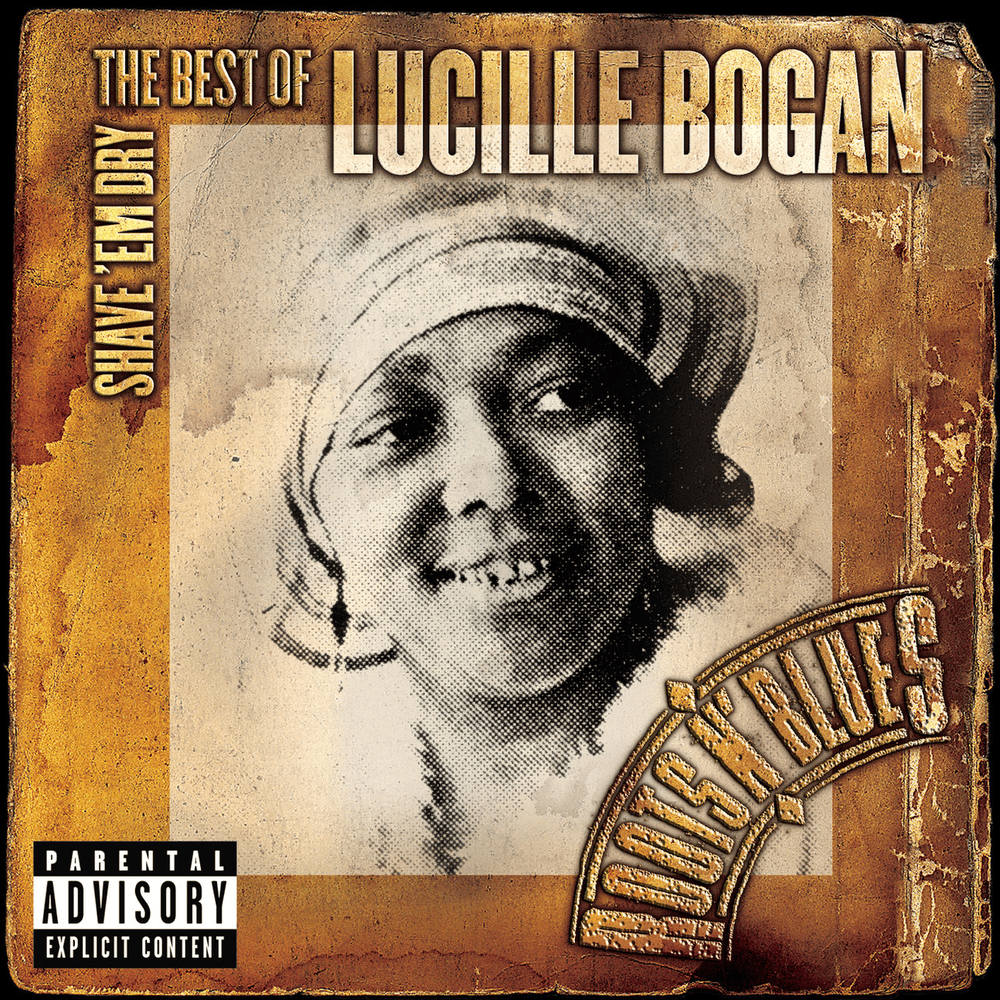
 View Artist