Song Meaning
The lyrics paint a raw picture of impending separation, where the narrator acknowledges a painful truth: a loved one must leave. Despite the crushing weight of this reality, a desperate plea emerges, a final attempt to cling to what's being lost. The core of the song lies in this stark contrast between acceptance and an almost primal need for one last moment of intimacy.
The central tension is the narrator's internal battle between understanding the necessity of departure and the overwhelming desire to prevent it, even if through deception. The lines "Y aunque me siento morir / Debo dejarte partir" establish the painful resignation, immediately followed by the desperate, almost pleading "Miente, dime que te quedarás / Voy a dejarme engañar." This highlights a profound emotional conflict, where the narrator is willing to embrace illusion to prolong a fleeting connection.
The most striking craft element is the repeated, impassioned chorus, "Dame una noche de amor." This isn't just a request; it's a desperate bargaining chip, a way to "guardar el dulce de tu boca" and "ver por última vez / El brillo de tu piel." The imagery here is intensely sensory, focusing on taste and sight as tangible remnants of a love that must soon vanish. The wish for time to stop, "Que se detenga el reloj," underscores the ephemeral nature of this final encounter.
Ultimately, the effectiveness of these lyrics stems from their unflinching portrayal of heartbreak. The narrator's vulnerability is palpable, moving from a resigned acknowledgment of fate to a raw, almost childlike plea for one more moment. The specific, sensory details in the chorus elevate the pain beyond a general sadness, making the impending loss feel acutely personal and deeply felt.
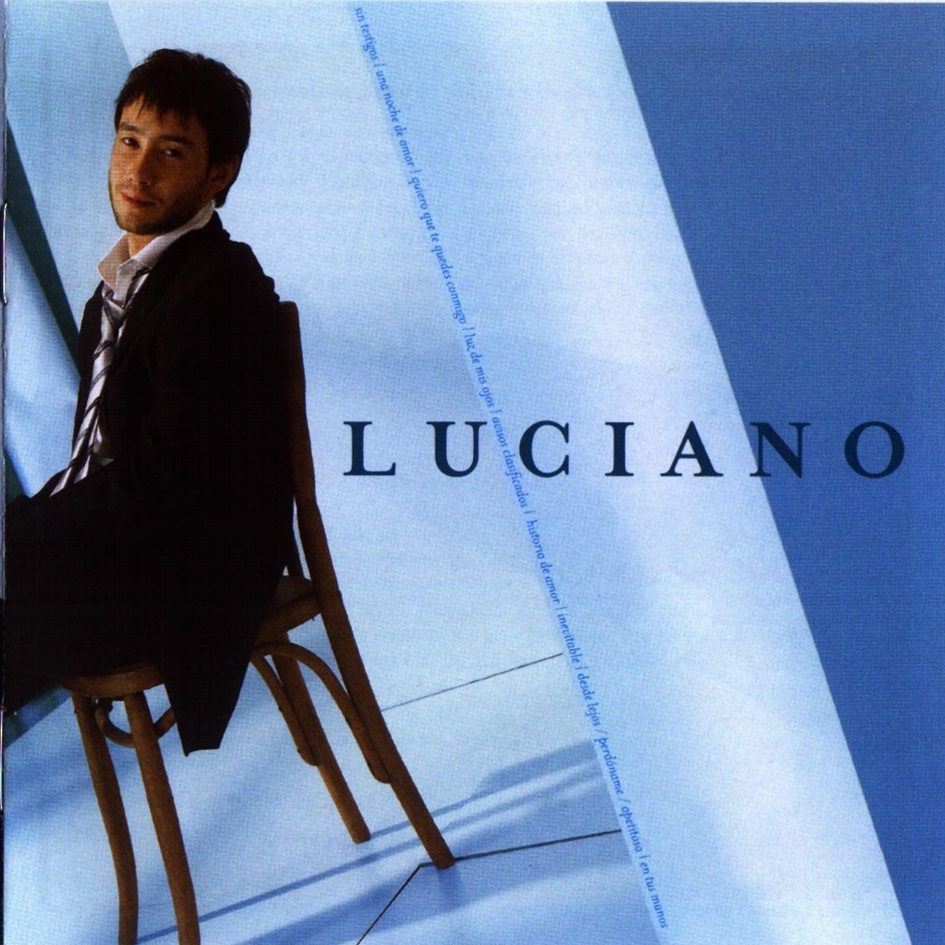
 View Artist