Song Meaning
This song is a heartfelt declaration of love and gratitude directed at 'Mamma.' The narrator expresses immense happiness at returning to her, stating that their song exists to tell her this. The core sentiment is a profound appreciation for the mother, highlighting a desire to never leave her side again. The lyrics paint a picture of a deep, enduring bond, emphasizing that the mother is the most beautiful thing in the narrator's life.
The central tension arises from the narrator's past absence, implied by the phrase "vivere lontano" (living far away). This distance has clearly caused the narrator to reflect on their mother's love and presence, leading to the current overwhelming joy of return. The narrator reassures the mother, "Tu non sarai piu sola" (You will no longer be alone), indicating a commitment to be there for her now and in the future.
The most striking imagery comes from the second verse, where the narrator describes the mother's "mano tua stanca" (your tired hand) searching for their "reccioli d'oro" (golden curls) and her "voce ti manca la ninna nanna d'allor" (voice misses the lullaby of yesteryear). This tender, almost poignant depiction contrasts the mother's current state with the nurturing figure of the past, creating a powerful emotional resonance. The narrator's desire to "stringere al cuor" (hold to the heart) the mother's "testa tua bianca" (your white head) underscores a deep protective love and a recognition of her aging.
What makes these lyrics so effective is their directness and sincerity. The repetition of "Mamma son' tanto felice" (Mom, I am so happy) and the simple, earnest professions of love like "Quanto ti voglio bene" (How much I love you) cut through any pretense. The song doesn't rely on complex metaphors but on raw, emotional truth, making the narrator's joy and devotion palpable and deeply moving.
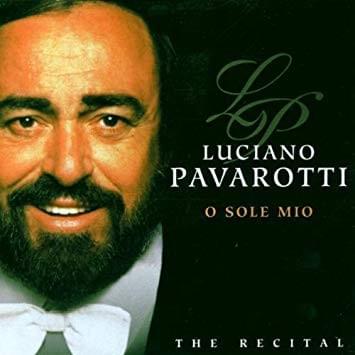
 View Artist