Song Meaning
The narrator recalls a perfect, sensory-rich night, bathed in starlight and the scent of earth. The creak of a door and a soft footstep on sand announce the arrival of a beloved, who falls into his arms for passionate embraces. This memory is intensely vivid, filled with the tactile sensation of her body and the dissolving of veils, suggesting a moment of profound intimacy and surrender.
This idyllic scene, however, is shattered by the stark realization that this dream of love has vanished forever. The temporal shift is abrupt and devastating, moving from the peak of romantic ecstasy to the bleak finality of loss. The narrator is consumed by despair, understanding the preciousness of life only as it slips away.
The core of the tragedy lies in the crushing irony: the narrator is dying, and it is only in this final, desperate moment that he truly grasps how much he loved life. The beauty of the past night, the intensity of his feelings, and the imminence of his death converge to create an unbearable poignancy. The lyrics highlight the human tendency to appreciate what we have only when it's irrevocably gone.
This powerful emotional arc is achieved through sharp contrasts. The vibrant, sensual imagery of the past night – the stars, the earth's scent, the lover's touch – is juxtaposed with the bleak present of despair and death. The final, desperate cry, "E non ho amato mai tanto la vita!" (And I have never loved life so much!), lands with devastating force precisely because it arrives at the very end, when love for life itself is rendered meaningless by impending mortality.
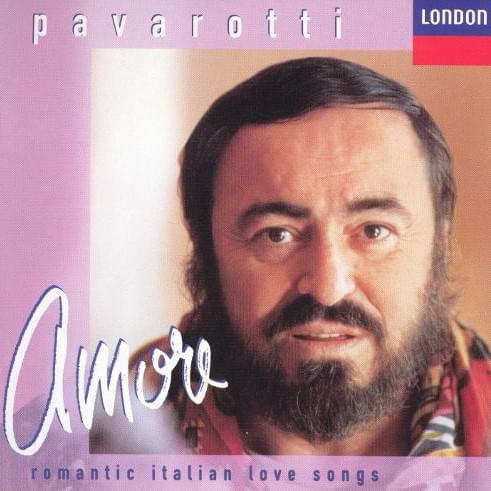
 View Artist