Song Meaning
The lyrics paint a stark picture of an unexpected pregnancy, opening with a sense of life unfolding without anticipation. The narrator contrasts the external world's rhythm with her own internal, altered timeline, where "it sometimes snows in April / For me it's in June." This suggests a personal reality out of sync, a life that feels like "a draft" rather than a finished piece. The initial state is one of profound uncertainty, a feeling of being suspended "me and love."
The core tension emerges as the narrator grapples with the physical and emotional upheaval of pregnancy. The recurring question, "Why the fear?" underscores a deep-seated anxiety that contrasts with the idealized notion of motherhood as "seeing the light," not "pain" or "exile." There's a palpable sense of disorientation, a physical queasiness described as "strange in the belly / Almost always feeling sick," which the lyrics attribute to "time chewing." This internal turmoil is amplified by the perceived inadequacy of the partner, who is dismissed as not being "people, not a crowd / Not a man who is a father."
The most striking aspect is the raw, unfiltered self-definition that arises from this crisis. The narrator rejects conventional emotional responses, stating, "I have no anger or pity / Nor doll smiles." Instead, she asserts a primal identity: "I am a being within a being / I am just a woman." This powerful declaration strips away societal roles and expectations, focusing solely on the biological and existential reality of her situation. The repeated questioning of fear and the assertion of motherhood as a revelation, not a burden, frame this self-discovery.
Ultimately, the effectiveness of these lyrics lies in their unflinching honesty and the stark contrast between the narrator's internal experience and any external expectations. The raw, almost clinical description of her state, coupled with the profound existential questions, creates a powerful portrait of a woman confronting a life-altering event. The final lines, "This naked and raw letter / I want to leave here to whom / For me I will be yours / Forever your mother," transform the preceding confusion and anxiety into a definitive, albeit somber, acceptance and a declaration of maternal identity, leaving the reader with the weight of this profound, self-realized commitment.
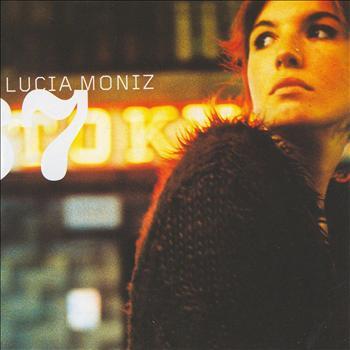
 View Artist