Song Meaning
The narrator is embarking on a distant pilgrimage to San Andrés, armed with "herbiñas de namorar" – herbs of courtship. This journey is motivated by a profound love for someone "alén mar," across the sea, to whom they will give "o aloumiño do meu amor," the caress/comfort of their love. The initial tone is one of determined devotion, setting a scene of longing and hopeful romantic pursuit.
The central tension arises from the juxtaposition of romantic devotion and the harsh realities of war. The narrator intends to wear a linen shirt "que ela teceo para min" (that she wove for me), adorned with these courtship herbs. However, the poppies are "nacidas de fusís" (born of rifles), and the comfort of love is "alleo á guerra e ao seu tambor" (indifferent to war and its drum). This contrast highlights how personal affection persists even amidst widespread conflict, a poignant and perhaps fragile defiance.
The lyrics masterfully weave in imagery that underscores this duality. The "lagarto azul e souril" (blue lizard and souril bird) and the "mascato polo cantil" (gannet by the cliff) offer naturalistic details, grounding the song in a tangible world. Yet, these are contrasted with the "fusís" and the "guerra ruín" (ruinous war) and the "corvo mariño" (sea raven) that flies "xentil" (gently) even as the narrator contemplates raising "o amilladoiro" (a burial mound) and coloring "pan santo" (holy bread). This suggests a world where life, love, and even death rituals continue under the shadow of violence.
This song's power lies in its quiet insistence on love's endurance. The narrator's commitment to the pilgrimage, to carrying the "herbiñas de namorar" and the "aloumiño do meu amor," feels deeply personal and resolute. The integration of war imagery not as an overwhelming force, but as a backdrop against which love and ritual persist, creates a complex emotional landscape. It speaks to the human need to connect and express affection, even when the world seems intent on destruction.
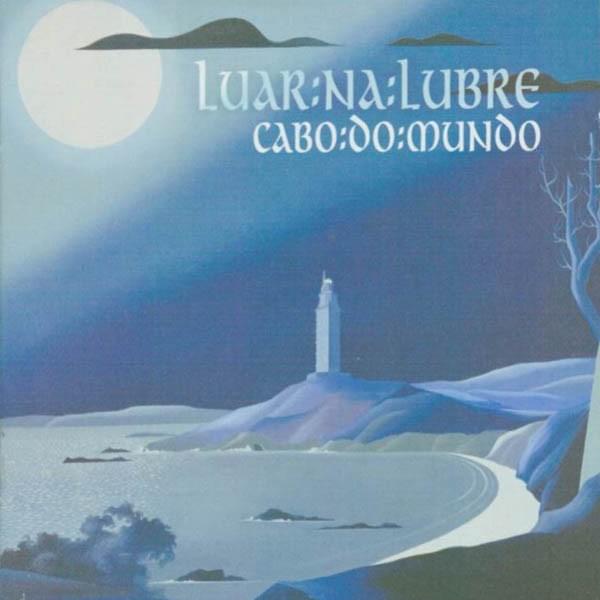
 View Artist