Song Meaning
LP's "Darkside" isn't just a song; it's a post-mortem on a relationship, dissected with the precision of a surgeon and the raw nerve of a breakup. The track's opening gambit—"Let's go back and talk about the beginning / And what we liked so much about each other then"—immediately establishes a tone of wistful regret. It's a conversation starter pitched at a ghost, a desperate attempt to exhume the shared joy that's now buried under layers of disappointment and disillusionment. The repeated line, "I hope you're happy with your ordinary life," drips with a complex blend of resentment and resignation. It's not a simple wish; it's a loaded statement, implying that the 'ordinary life' is a consolation prize for something far more vibrant and meaningful that was lost. The phrase "darkside" acts as both a location and a state of mind. It represents the antithesis of those carefree "hoppin' bars in the summertime" days, where losing your mind was a badge of honor rather than a symptom of a deeper malaise.
The lyrics analysis reveals a central tension between the desire for connection and the acceptance of incompatibility. The narrator acknowledges their own failings ("I wanted to say the right thing, I really did / But I know you're right"), suggesting a self-awareness that only deepens the sense of loss. There's a recognition that the other person's pursuit of an "ordinary life" is, in some way, justified, even if it's a path that the narrator fundamentally rejects. This isn't a simple story of good versus evil or right versus wrong; it's a nuanced portrayal of two people diverging, their paths diverging into a 'darkside' of what could have been. The song meaning lies not just in the lyrics, but in the space between the lines. The unspoken accusations, the lingering affection, and the crushing weight of acceptance all contribute to the song's emotional power.
Ultimately, "Darkside" is a study in contrasts: the vibrant past versus the mundane present, the wild abandon versus the stifling routine. LP uses these contrasting images to paint a portrait of a love that couldn't survive the transition from youthful exuberance to adult responsibility. The song's impact isn't about assigning blame, but about acknowledging the complex emotional landscape of a relationship's end. It’s about understanding that sometimes, the 'darkside' isn't a place of malice, but simply the shadow cast by a love that couldn't adapt to the light of day.
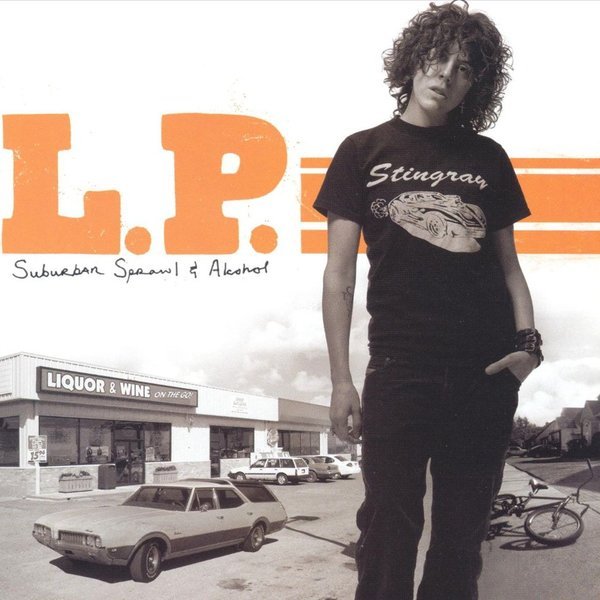
 View Artist