Song Meaning
This track feels like a rapid-fire inventory of relationship dynamics, flipping between contradictory states. The opening lines paint a picture of a capricious, silent, yet somehow contented connection, hinting at a fragile peace found in mutual affection. The narrator then immediately pivots, wanting to "souligner tout et son contraire," suggesting a desire to acknowledge the full spectrum of a relationship, the good and the bad, all "pour tes yeux."
There's a tension between the effort required to maintain a relationship and the desire for ease. The lyrics describe being "astucieux" and constantly doing "plus en faire," striving to be "mieux," all while hoping the world "nous laisse un peu d'air." This push-and-pull between intense effort and the need for space is further complicated by the "choix du partenaire," a decision framed as both "généreux" and "épineux," with stakes ranging from "une heure ou deux" to "la vie entière."
The most striking shift comes with the introduction of darker, more confrontational adjectives: "prétentieux," "belliqueux," and "merdeux." These words seem to describe a state of being overwhelmed, perhaps by external pressures or internal conflict, leading to a "dépassés" feeling "fasse à la misère." The surreal image of "Tokyo / S'écrit à l'envers" serves as a potent metaphor for disorientation and a world turned upside down.
Ultimately, the lyrics seem to yearn for a simpler state of being: "Pouvoir fermer les paupières / Etre heureux!" This desire for peace and happiness, even if it means shutting out the complexities and struggles, feels like the core emotional takeaway. The contrast between the intricate, often difficult, dance of relationships and this fundamental wish for contentment is what makes the track resonate.
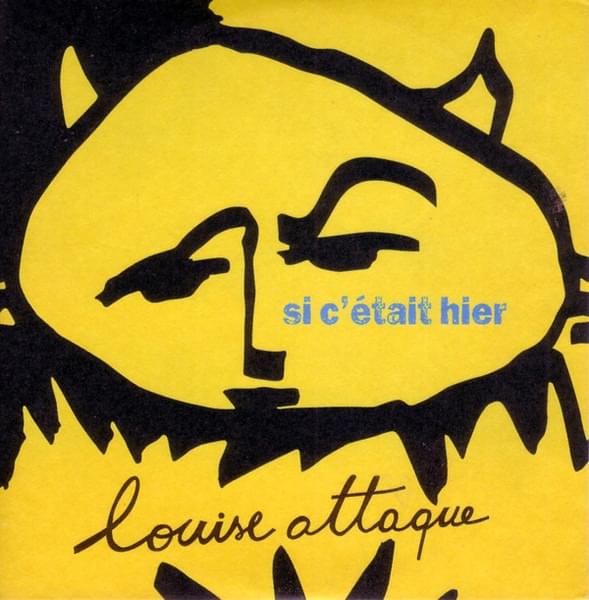
 View Artist