Song Meaning
{"song_id": 11054399, "meaning": "Louis Prima's rendition of \"The White Cliffs of Dover\" isn't just a swingin' tune; it's a masterclass in wartime optimism, delivered with a wink and a nod. The song's simple structure belies the profound yearning for peace that permeated the World War II era. It's a promise, not necessarily a realistic prediction, but a vital psychological tool against the relentless dread of conflict. The bluebirds, the laughter, the shepherd, and little Jimmy tucked safely in his bed—these are potent symbols of normalcy, weaponized against the chaos of war. Prima’s version, while retaining the core message, injects a dose of his signature exuberance, almost daring the listener to disbelieve in the possibility of a brighter future.
The \"White Cliffs of Dover\" themselves become more than just a geographical landmark; they transform into a symbol of hope and resilience. They represent home, safety, and the enduring spirit of a nation under siege. The repetition of \"tomorrow\" emphasizes the unwavering belief in a future where peace reigns, a future worth fighting for. It’s easy to dismiss such sentiments as naive, but during wartime, such potent doses of hope were essential for maintaining morale and collective sanity. Prima’s scatting and playful vocalizations, far from trivializing the song, amplify its message of defiance against despair.
Ultimately, the song's meaning resides in its function as a collective mantra. It's a sonic photograph of a generation clinging to the promise of a return to normalcy. The image of 'Jimmy' returning to his 'own little room' isn't just about physical safety; it represents the restoration of a sense of belonging and individual identity, something war actively seeks to destroy. \"The White Cliffs of Dover,\" through Prima's lens, isn't just a song; it’s a testament to the enduring power of hope in the face of unimaginable adversity."}
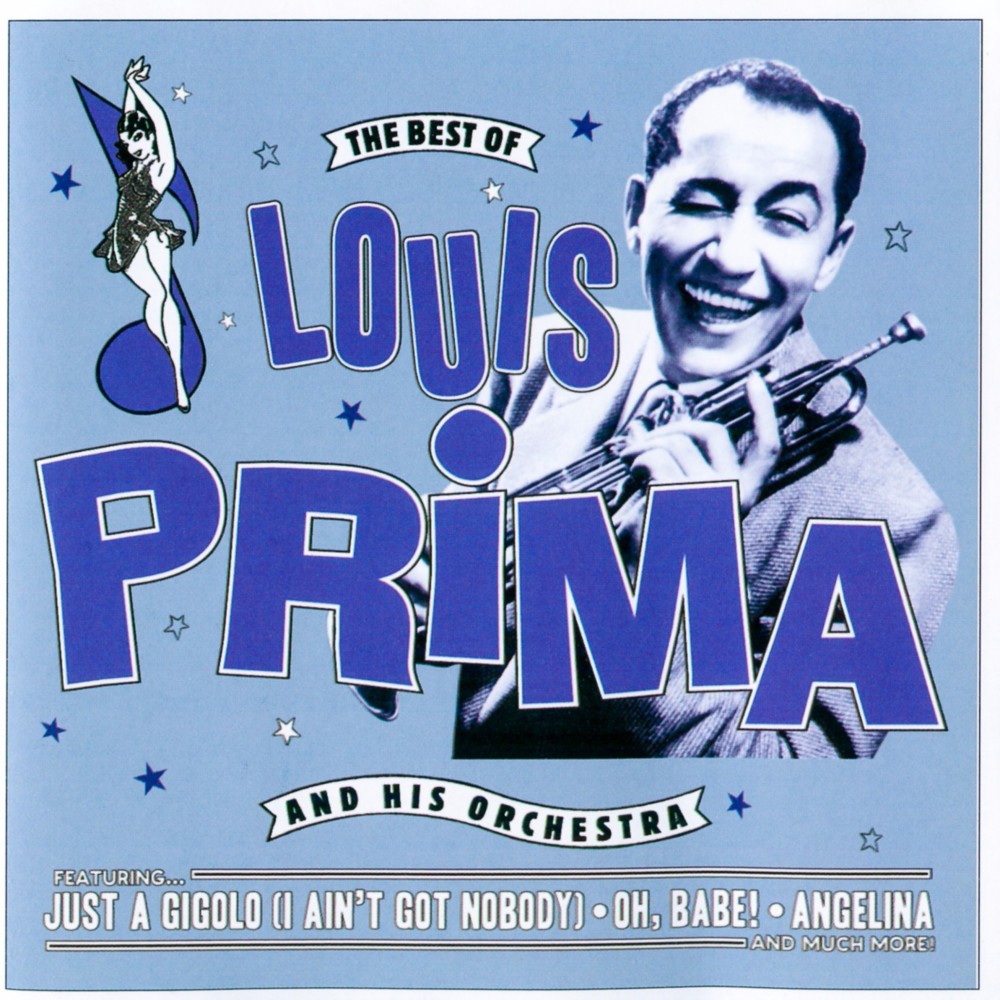
 View Artist