Song Meaning
This track kicks off with a stark, almost resigned declaration: "It's a low down dirty shame." The immediate repetition hammers home a sense of inescapable, ingrained disappointment. The narrator finds himself entangled in a forbidden love, confessing, "I'm in love with a married woman, I just can't call her name." This anonymity adds a layer of secrecy and perhaps a desperate attempt to maintain some distance from the messy reality of the situation.
The central tension lies in the narrator's complex feelings towards the woman and her actions. He labels her "a no good woman, don't mean no man no good," acknowledging her destructive potential. Yet, he immediately pivots, stating, "I'd do the same thing if I could." This admission is crucial; it suggests a shared understanding of desire or circumstance, blurring the lines of blame and highlighting a mutual, albeit problematic, complicity.
The most striking aspect of the writing is this inversion of judgment. The narrator, while recognizing the woman's detrimental nature, expresses a strange acceptance, even envy, of her freedom. The repeated phrase "Baby, baby that's alright for you" shifts from a simple observation to an almost wistful acknowledgment of her agency. It's not just that she's doing something wrong; it's that she's doing it in a way that, to him, seems permissible or even desirable within her own framework.
Ultimately, the lyrics resonate because they capture a specific kind of doomed affection. The shame isn't just about the affair itself, but about the narrator's own powerless position within it. He recognizes the wrongness, yet is drawn to the very qualities that make her "no good," especially her apparent ability to act on impulse or desire without apparent consequence. The song lands with a feeling of resigned, almost admiring, frustration.
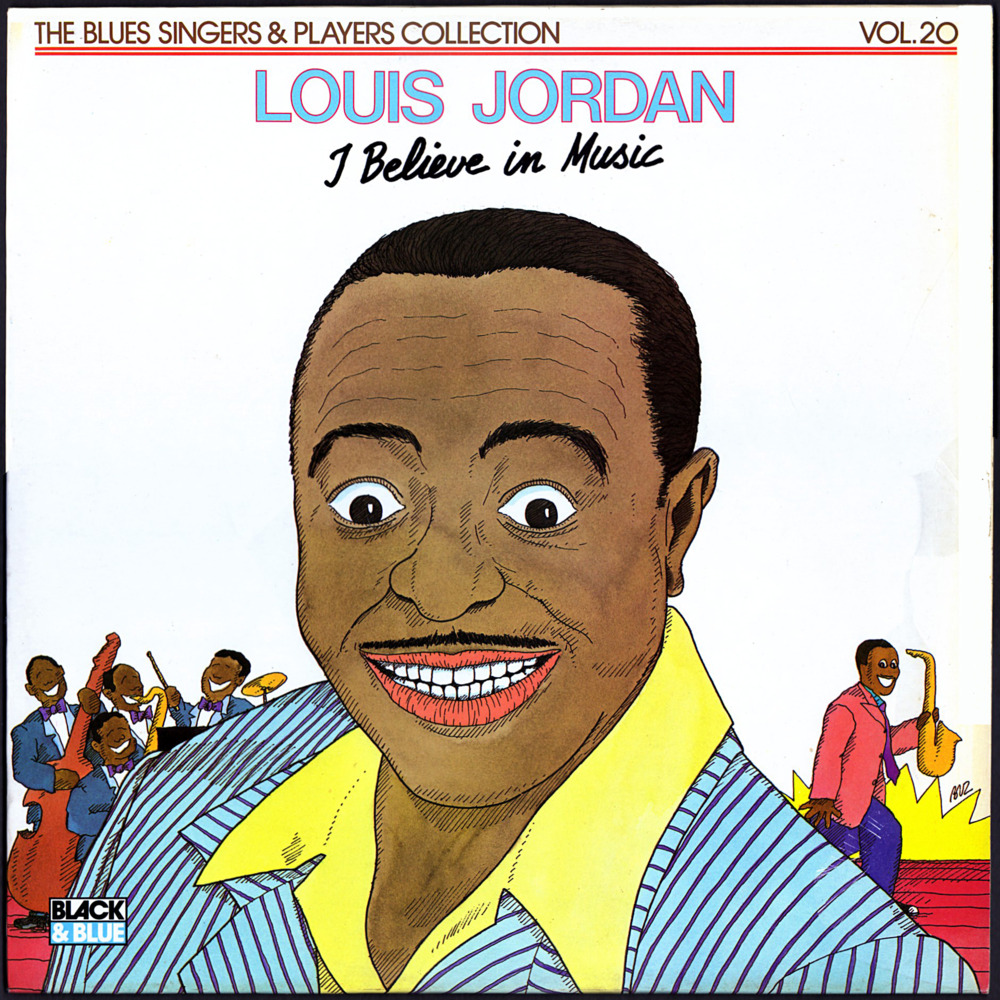
 View Artist