Song Meaning
This track captures the messy reality of staying in a relationship that's far from perfect. The narrator acknowledges inconsistent treatment, admitting their partner can be both kind and wildly out of line. Yet, despite the turbulence, a powerful sense of commitment holds them fast. It's a declaration rooted not in ideal circumstances, but in a pragmatic assessment of what's already secured. The core of the song lies in this tension: the known quantity of the present versus the uncertainty of the future.
The central conflict is the narrator's internal debate between the desire for something better and the comfort of the familiar. They consider seeking a more advantageous partner, as suggested by friends, but ultimately dismiss the idea. This isn't about settling for less, but about recognizing the unique, albeit flawed, value in their current situation. The repeated phrase "I know what I've got / But I don't know what I'm getting" perfectly encapsulates this gamble, highlighting the security of the present against the unknown future.
The lyrics employ a clever, almost defiant logic to justify the commitment. The bridge reveals external pressure, with friends urging the narrator to find someone superior. However, the narrator counters this with a stark, self-aware admission: "I know I can't do any better / But believe me, I could do a lot worse." This isn't a boast, but a grounded, honest appraisal that reframes the relationship not as a prize, but as a safe harbor.
Ultimately, the song resonates because it articulates a relatable, if complex, emotional truth. The final verse solidifies the bond, declaring a commitment "for good" and dismissing doubters. The late-stage confession of love, "I forgot to tell ya that I love you so," adds a layer of raw sincerity, suggesting that beneath the pragmatic calculations, genuine affection is the true anchor. It’s this blend of practical assessment and heartfelt emotion that makes the narrator’s choice feel so compelling.
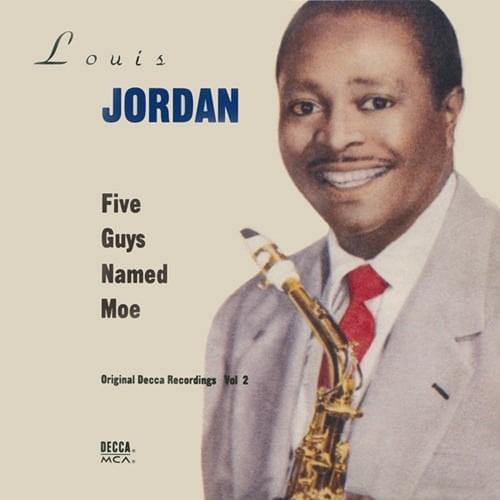
 View Artist