Song Meaning
The lyrics open with a direct, almost accusatory question: "Pourquoi viens-tu si tard?" The speaker expresses a profound sense of abandonment, having already moved on: "Je ne t'attendais plus / J'avais cessé d'y croire / Tiré un trait dessus." This sets a tone of weary resignation mixed with lingering hurt. The arrival, when it finally happens, is met not with relief, but with a sharp questioning of the visitor's motives and a sense of bizarre cruelty in this "soudaine envie."
The central tension lies in the stark contrast between the speaker's past despair and the visitor's belated appearance. The speaker details the social transgression of arriving late, especially when invited, highlighting the lack of basic courtesy: "On arrive pas si tard / Chez ceux qui vous convient." This isn't just about punctuality; it's about respect and consideration, which the visitor has clearly failed to show. The speaker feels the visitor's presence now is almost an insult, especially as the speaker has already completed the tasks or reached the stage where the visitor's presence is now irrelevant or even unwelcome, as implied by "Quan tout est accompli / Et que notre accapare / Nous place dans ton lit."
The lyrics masterfully employ repetition to underscore the speaker's bewilderment and frustration. The insistent refrain "Pourquoi viens-tu si tard?" acts as a constant drumbeat of disbelief. The speaker then shifts to a more pointed critique, questioning the visitor's upbringing and lack of "excuse" or "ruse." The final stanza introduces a surprising turn, where the speaker seems to question their own reaction, musing, "Oh il n'est pas si tard / Mon ange quelle idiotie / Si tu pouvais te voir / N'avons-nous pas grandi?" This suggests a potential softening or a realization that perhaps the speaker has also evolved, questioning the initial harsh judgment.
This piece resonates because it captures the complex emotional fallout of perceived neglect and the awkwardness of belated attention. The writing moves from sharp, almost indignant questioning to a more introspective, questioning of the speaker's own maturity and perspective. The effectiveness comes from grounding these deep emotional currents in relatable social observations about time, courtesy, and the lingering sting of being left waiting, only to have the latecomer appear when the moment has passed.
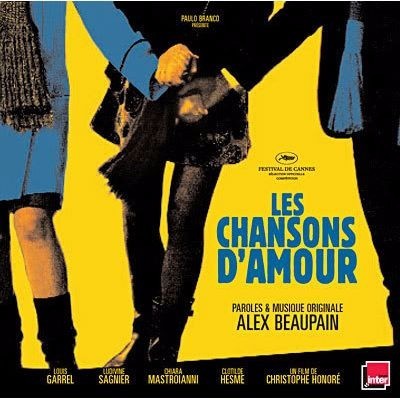
 View Artist