Song Meaning
The lyrics paint a scene of intense, almost morbid devotion at a grave. The narrator is humbled and tender, falling and collapsing onto what they perceive as a tomb, a monument to something or someone lost. There's a palpable sense of shadows, abandonment, and an overwhelming, perhaps excessive, love poured out onto this figure whose grace appears weary and perhaps even deceased. The narrator declares they are dying on this spot, a dramatic surrender to the perceived finality of the situation.
The central tension arises from the stark contrast between the narrator's profound grief and the unexpected revival of the figure they mourn. The lyrics describe a "fausse morte" – a seemingly dead person who "returns to life." This resurrection isn't a gentle awakening but a forceful reanimation that immediately re-engages the narrator, plunging them back into a state of dying. The "new death" that follows is paradoxically described as more precious than life itself, highlighting the narrator's complex, perhaps masochistic, relationship with this cycle of apparent loss and intense, painful reunion.
The most striking craft element is the relentless repetition of "je meurs" (I die) and the concept of "mort" (death) itself, juxtaposed with the sudden "vie" (life) and the "nouvelle mort" (new death). The image of the "morte apparente" (apparent dead) who "shudders, reopens her eyes, illuminates me and bites me" is incredibly visceral. This isn't a passive object of mourning; she actively reclaims the narrator, her reawakening a violent act that causes the narrator further, albeit precious, suffering. The monument becomes a site of both death and a strange, biting rebirth.
These lyrics achieve their power through this extreme emotional oscillation and the vivid, almost gothic imagery. The narrator's complete surrender to a love that causes them repeated, "precious" death is unsettling and captivating. The language creates a claustrophobic intensity, trapping the reader with the narrator in this cycle of grief, revival, and painful ecstasy at the "low sepulchre." It's a portrait of devotion pushed to its absolute, paradoxical extreme.
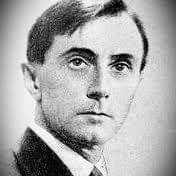
 View Artist