Song Meaning
The lyrics paint a stark picture of how the absence of a lover drains the world of its color and significance. The opening lines immediately establish a mood of desolation, questioning the value of natural beauty like starlit skies or moonlight when one is alone. This isn't just about missing someone; it's about how their presence seemed to imbue everything else with meaning, and their departure renders even the most romantic elements lifeless. The repetition of "When you're alone" hammers home the isolation, making it the central condition that negates external beauty.
The core tension lies in the contrast between the potential for wonder and the reality of despair. Starlit skies and moonlight are presented as inherently magical, but this magic is entirely dependent on the lover's presence. Without them, the "magic moonlight dies" and "there is no sunrise," suggesting a profound, almost existential darkness that eclipses even the dawn. The lyrics emphasize that the external world's capacity to inspire awe or joy is directly tied to the internal state of having a lover.
The most striking craft element is the consistent use of negation and the diminishment of natural phenomena. The lyrics don't just state sadness; they show it by stripping away the positive attributes of the world. "Who cares for starlit skies?" and "The magic moonlight dies" are powerful statements of emotional void. The comparison of memories to "faded flowers" further reinforces this sense of decay and lost vibrancy, making the present state feel lifeless and insignificant.
Ultimately, these lyrics resonate because they articulate a universal feeling of how love can act as a lens through which the world is perceived. When that lens is removed, the world appears dull, empty, and meaningless. The simple, direct language and the relentless focus on the lover's absence create a potent, melancholic atmosphere that captures the profound impact of heartbreak. The repetition of the central phrase acts like a tolling bell, marking the inescapable reality of the loss.
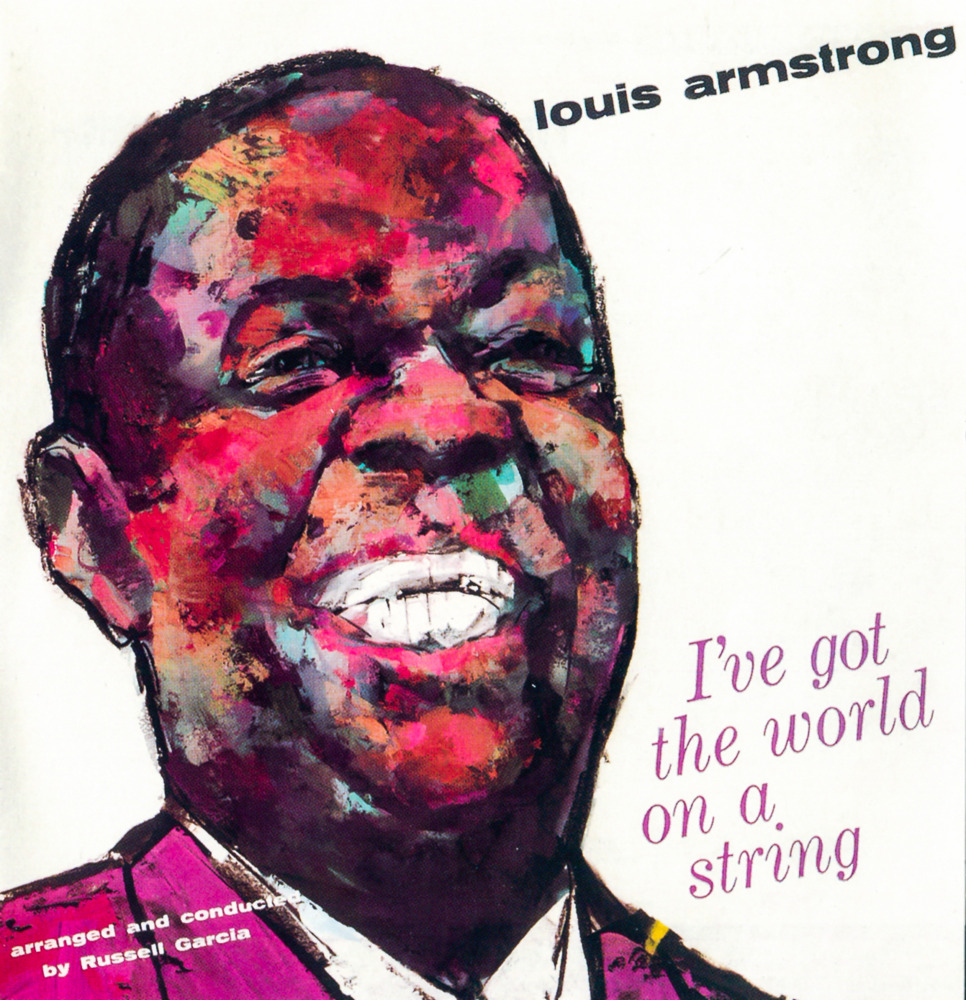
 View Artist