Song Meaning
The provided text for "Song of the Islands" offers a fascinating glimpse into a vibrant, spontaneous musical moment. It functions less as a traditional lyric sheet and more as a performance script. The scene centers on improvisational vocalizing and instrumental artistry. A palpable sense of live interaction and pure musical appreciation emerges.
The core of these "lyrics" lies in their celebration of unscripted musicality. Repeated instances of "(Scat singing)" highlight a vocal freedom, a playful exploration of sound beyond conventional words. This improvisational spirit is underscored by the interjections "What you say, Gate" and "them changes, Gate," suggesting a direct, informal dialogue between performers or with an engaged audience member. The casual address to "Gate" implies a shared understanding and mutual enjoyment of the unfolding music.
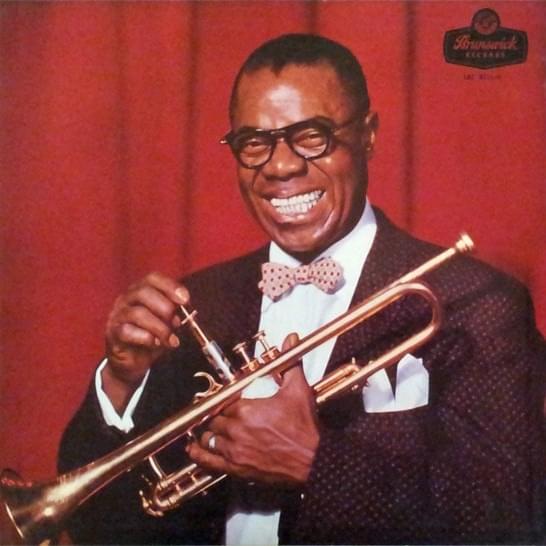
Perhaps the most striking element is the explicit mention of "[Trumpet solo: Louis Armstrong]." While a descriptive note rather than a sung line, its inclusion within the "lyrics" text elevates the performance to a legendary status. It frames the preceding vocal play as a prelude to a master's improvisation, lending an air of historical significance and unparalleled skill. The concluding "ha ha ha" then serves as a pure, unadulterated expression of joy, a direct emotional response to the musical experience itself, transcending language.
Ultimately, these "lyrics" are effective because they capture the essence of jazz improvisation: the thrill of the moment, the interplay between musicians, and the sheer delight found in musical "changes." They don't tell a story with words but rather evoke a feeling through sound and interaction. The sparse text acts as a blueprint for an experience, inviting the reader to imagine the vibrant energy and masterful execution of a truly live performance, where the music speaks volumes beyond any literal translation.
 View Artist