Song Meaning
This is a raw, almost primal declaration of future comeuppance. The narrator lays out a simple, direct accusation: "The way you treated me was wrong." There's no complex emotional landscape here, just a clear-eyed certainty that the recipient of these words will eventually regret their actions. It's the kind of raw, unfiltered emotion that cuts straight to the bone, a promise of reckoning delivered with unwavering conviction.
The central tension hinges on a perceived imbalance of power and knowledge. The narrator asserts they were the educator, the one who "taught you all you know," implying the other person's current success or abilities are directly derived from them. This sets up the core grievance: being wronged by someone you essentially built up, a betrayal that fuels the promise of future regret. The mention of friends urging a change of tune adds a layer of external pressure, suggesting the recipient is being influenced to distance themselves from the narrator.
The most striking element is the stark, almost childlike simplicity of the threat. Phrases like "Someday you'll be sorry" and "treat you like a brother" are repeated, hammering home the core message with relentless focus. This isn't a nuanced exploration of heartbreak; it's a direct, unvarnished prophecy of regret, delivered with the conviction of absolute certainty. The narrator isn't asking for an apology now; they're stating a fact about the future.
What makes these lyrics hit so hard is their unflinching directness. The narrator doesn't waver, doesn't plead, and doesn't explain the nuances of the wrong. They simply state the offense and predict the consequence with unwavering faith. It's this pure, unadulterated assertion of future justice, delivered with such stark clarity, that resonates as a powerful expression of righteous indignation.
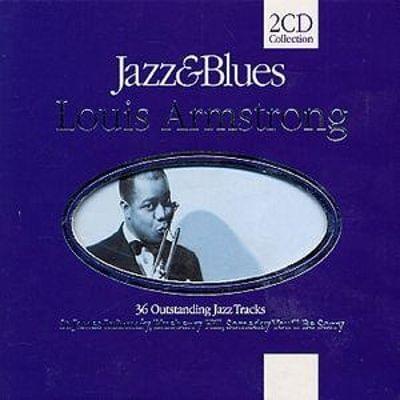
 View Artist