Song Meaning
The lyrics paint a vivid picture of escaping mundane solitude for the vibrant, communal energy of a "cabaret." The opening lines directly challenge the quiet despair of being "alone in your room," urging the listener to abandon domestic chores like "knitting" and "broom" for a more celebratory existence. This isn't just about a physical place; it's a call to embrace a philosophy where life itself is a performance, a grand show worth attending.
The central tension lies between the oppressive weight of routine and negativity versus the liberating invitation to revelry. The narrator dismisses "prophet[s] of doom" who would "wipe every smile away," positioning the cabaret as an antidote to despair. The repeated phrase "Life is a cabaret, old chum" acts as a mantra, reframing existence not as a struggle but as an inherently theatrical, perhaps even fleeting, experience that demands participation.
The craft here is in its insistent, almost hypnotic repetition and its direct, imperative commands. Phrases like "Come hear the music play," "Come taste the wine," and "Come blow your horn" create a sense of urgent, sensory invitation. The contrast between the quiet, solitary "room" and the bustling, sensory "cabaret" is stark, emphasizing the transformative power of embracing this performative view of life. The lyrics suggest that acknowledging life's brevity, from "cradle to tomb," makes the call to celebrate even more poignant.
This approach is effective because it offers a clear, actionable escape from inertia and negativity. By framing life as a "cabaret," the lyrics provide a framework for finding joy and connection in shared experience, even in the face of life's inevitable end. The direct address and the promise of a "table's waiting" make the invitation feel personal and immediate, urging the listener to step out of isolation and into the spotlight.
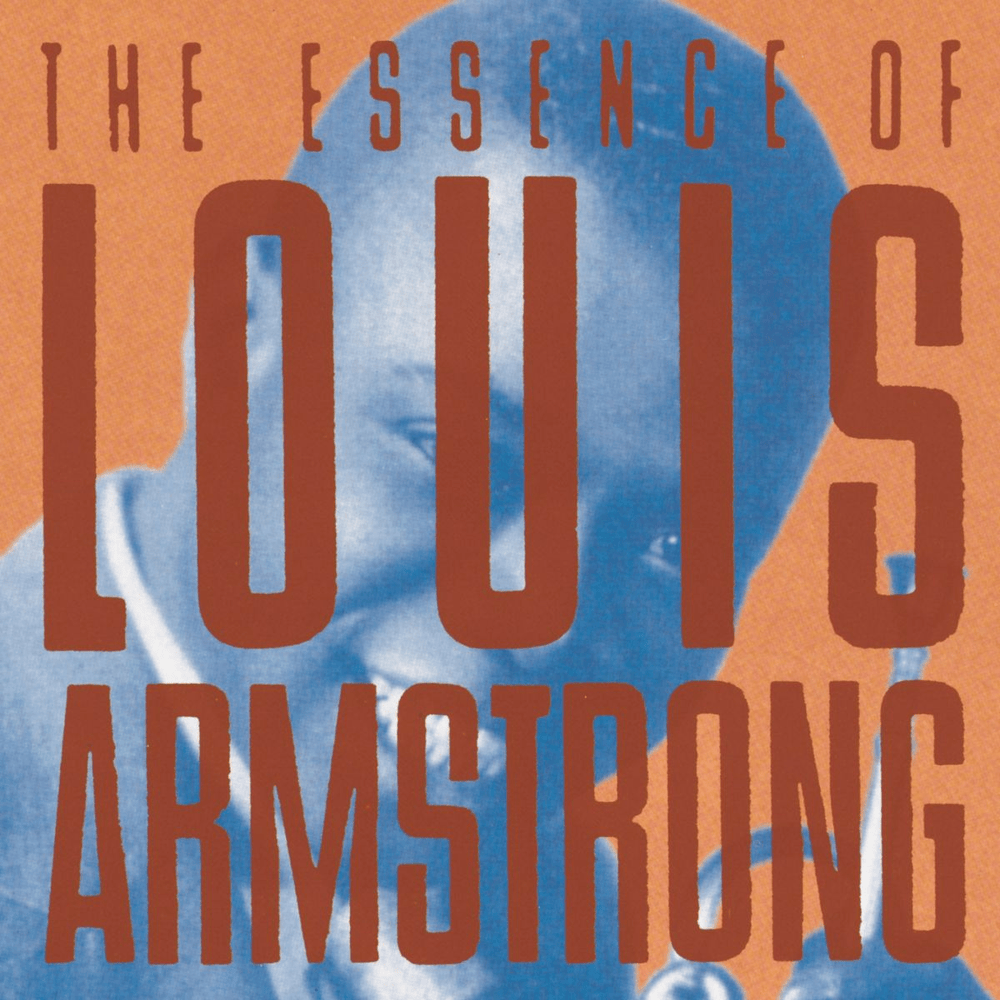
 View Artist