Song Meaning
The lyrics paint a stark picture of a world fundamentally altered by loss, where even the most reliable natural cycles no longer hold sway. The narrator declares, "I'll never be the same," a statement that immediately grounds the song in a profound, irreversible shift. This isn't just sadness; it's a complete reordering of perception, where familiar markers of joy and renewal, like the stars or the arrival of spring, have lost their power. The world outside continues, but the internal landscape has been irrevocably changed.
The central tension arises from the disconnect between the external world and the narrator's internal state. Spring arrives, heralded by "song birds that sing," yet the narrator "can't believe their song." This disbelief stems from a past where "love was king," a reign that has now been overthrown, proving that even what felt absolute "can be wrong." The ache in the heart, a direct consequence of being "apart," signifies that this isn't a temporary mood but a deep-seated wound.
The most striking aspect of the writing is the way it uses natural imagery to underscore internal desolation. The stars, typically a source of wonder or guidance, have "lost their meaning." Similarly, the cheerful song of spring birds is met with skepticism, highlighting how the narrator's brokenness prevents them from experiencing external beauty or truth. The repeated phrase, "a lot a smile may hide," suggests a conscious effort to mask this profound internal damage, a facade that the narrator knows "down deep inside" is ultimately futile.
This lyrical approach is effective because it grounds abstract emotional pain in concrete, relatable experiences of nature and perception. The insistence on the permanent change – "I'll never be the same again" – feels earned through the detailed depiction of how the world itself has become alien. The lyrics don't just tell us about heartbreak; they show us a world rendered unrecognizable by it, making the narrator's altered state feel both deeply personal and universally understood in its devastating finality.
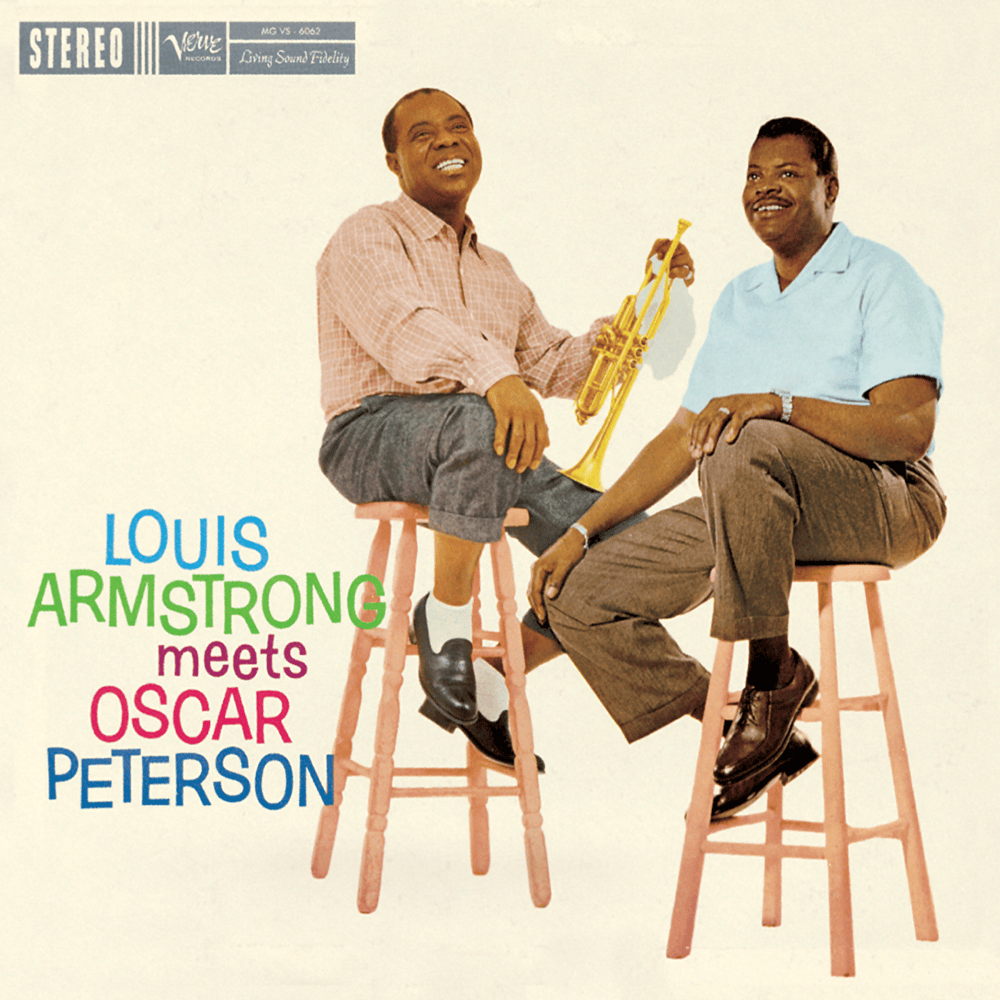
 View Artist