Keyhole Blues
Song Meaning
The lyrics offer a fragmented, almost stream-of-consciousness glimpse into a state of intense, perhaps obsessive, observation. The repeated "keyhole" imagery immediately establishes a voyeuristic perspective, suggesting a desire to see without being seen, or perhaps a feeling of being excluded from a scene. The scat singing, while lacking literal meaning, injects a raw, improvisational energy that mirrors the restless, unfocused nature of the narrator's attention. The dominant emotional tone seems to be one of longing and frustration, amplified by the act of peering through a narrow aperture. The narrator is positioned outside, looking in, unable to fully participate or comprehend what they witness. This creates a palpable sense of distance and a yearning for connection or understanding that remains just out of reach. The bluesy undertones, implied by the title and the mood, suggest a deep-seated melancholy tied to this observational state. The most striking aspect of the writing is the stark, almost minimalist imagery. The focus on the "keyhole" and the implied actions of "looking" and "peering" create a claustrophobic yet expansive feeling simultaneously. The absence of specific details about *what* is being seen allows the listener to project their own desires or anxieties onto the scene, making the narrator's experience feel both intensely personal and universally resonant with feelings of exclusion or curiosity. Ultimately, the effectiveness of these lyrics lies in their ability to evoke a powerful emotional state through suggestion and implication rather than explicit declaration. The fragmented nature and the reliance on a single, potent image like the "keyhole" create a mood that is both intimate and enigmatic. The bluesy, scatting delivery further emphasizes a feeling of unresolved tension, leaving the listener with a lingering sense of what might be happening just beyond the frame.
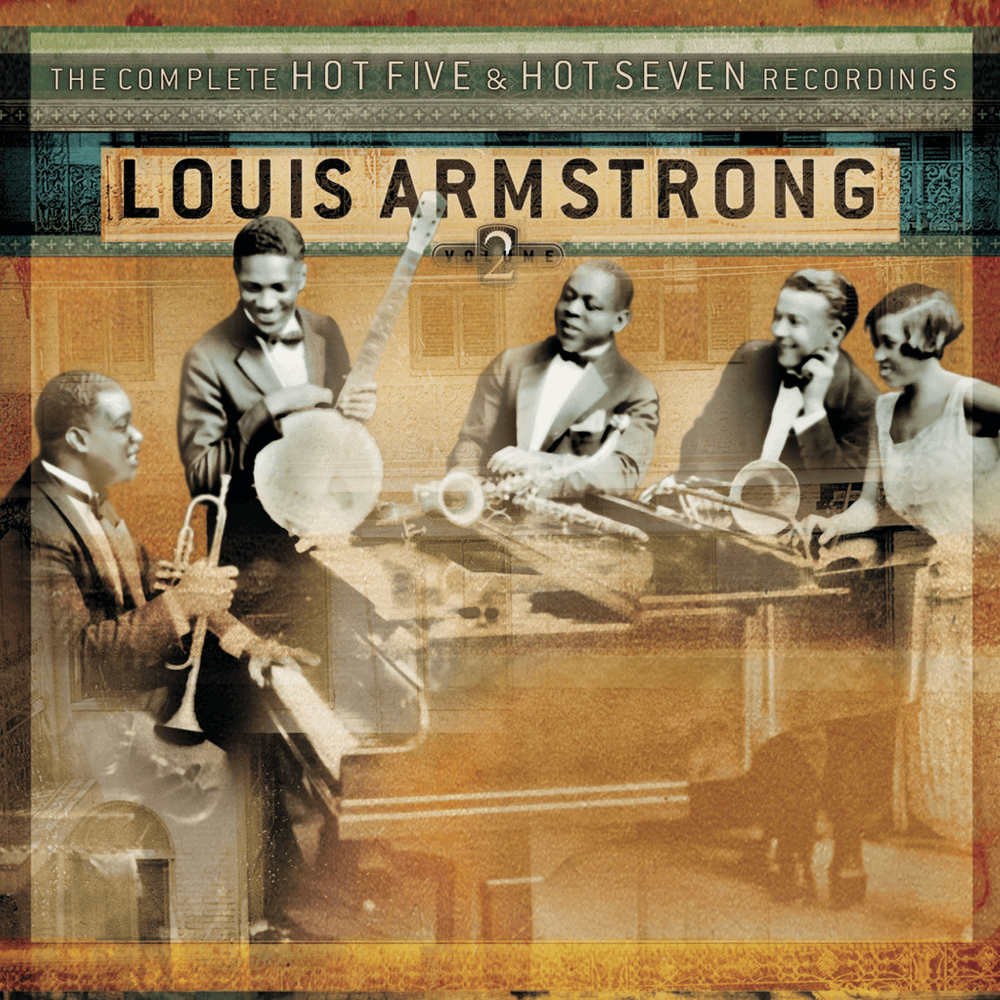
 View Artist
Lyrics
(Scat singing)
Rate this song
0/5.0 - 0 Ratings
Loading comments...
Credits
- Writers
- “Kid” Wesley Wilson