Song Meaning
The narrator's immediate problem is stark and simple: their bucket has a hole, meaning their beer supply is gone and unreplenishable. This isn't just a minor inconvenience; it's a full-blown crisis, declared with a weary, almost resigned repetition. The core of the song hinges on this absurdly mundane yet devastating predicament. The repeated phrase hammers home the inescapable nature of the flaw, turning a leaky bucket into a metaphor for a fundamental, unfixable lack.
The lyrics paint a picture of desperate, late-night attempts to salvage the situation. The mention of "after hours" and being unable to get in highlights a secondary layer of frustration – external forces and closing times are conspiring against their quest for more beer. This adds a touch of dark humor, as the grand tragedy of the hole in the bucket is compounded by bureaucratic and temporal limitations.
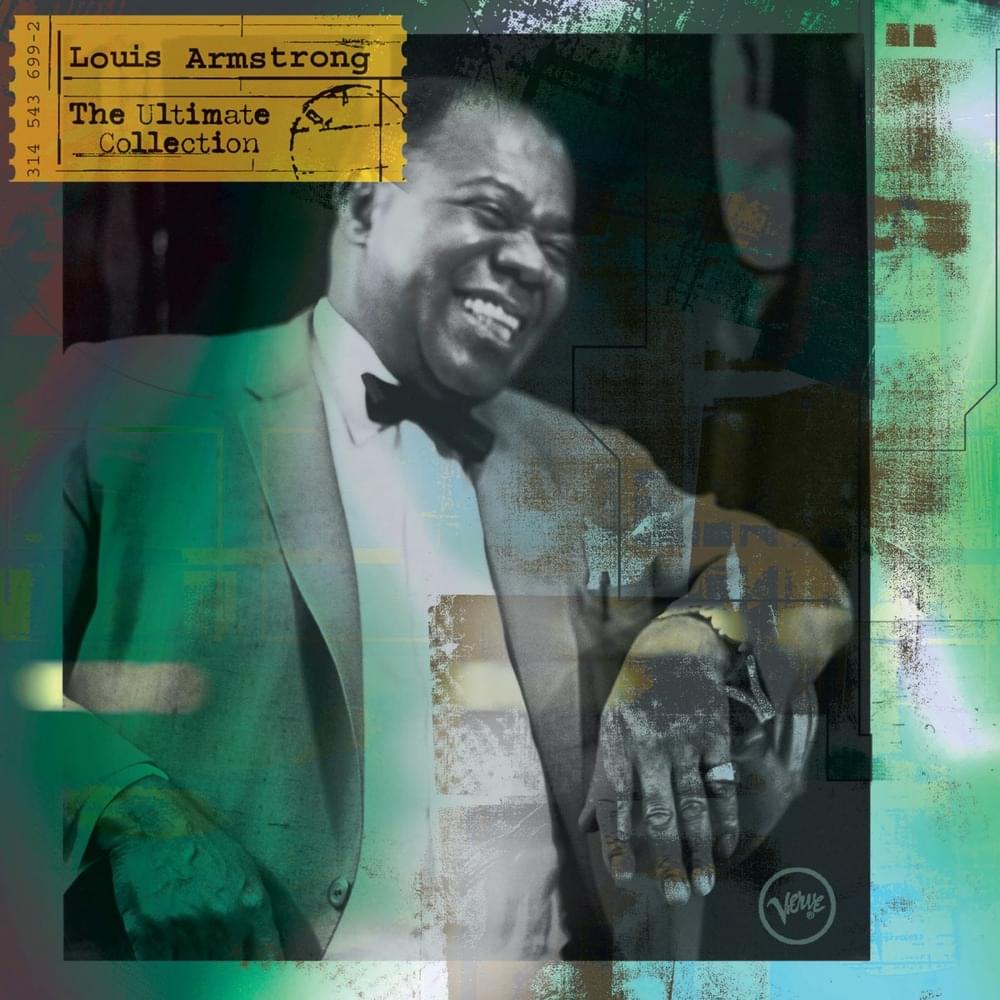
The most striking aspect is the contrast between the dire pronouncements about the bucket and the casual, almost celebratory musical interludes. The solos by Teagarden and Armstrong, while musically brilliant, underscore the futility of the lyrical lament. It's as if the music is offering an escape or a different perspective, while the words remain stubbornly fixed on the immediate, unyielding problem of the hole.
Ultimately, the effectiveness lies in its blunt, almost childlike articulation of a problem. The song doesn't overcomplicate things; it presents a flawed container and the resulting inability to fulfill a basic desire. This directness, coupled with the implied social context of wanting beer after hours, creates a relatable, albeit exaggerated, portrait of thwarted plans and the simple, profound disappointment of a hole that just won't quit.
 View Artist