Song Meaning
The lyrics paint a picture of quiet, profound withdrawal. The speaker recounts missing social events—dances, clubs, dates—all because of one absent person. This isn't a dramatic breakup anthem, but a melancholic reflection on a life suddenly put on hold. The repeated line, "Don't get around much anymore," becomes a weary confession.
The core tension lies in the speaker's inability to engage with life as they once did. They acknowledge the vibrant social scenes, yet confess they "couldn't bear it without you." This isn't just about missing a person; it's about the entire world feeling "awfully different" in their absence. The choice to isolate isn't necessarily voluntary; it feels like a forced consequence of a deep emotional void.
The subtle internal conflict in the bridge truly elevates these lyrics. The speaker claims, "My mind's more at ease," suggesting a rationalization for their solitude. Yet, this is immediately followed by the rhetorical question, "Why stir up memories?" This reveals a protective mechanism: avoiding social situations isn't just about sadness, but about actively preventing the pain of remembrance. The image of getting "as far as the door" before turning back highlights this struggle, where the anticipation of questions about the missing person is enough to halt any attempt at re-engagement.
These lyrics resonate because they capture the quiet, often overlooked side of grief or heartbreak: the way it reshapes daily routines and social habits. The power comes from what's not said – the "you" remains undefined, making the emotional impact universal. By focusing on the tangible effects of absence rather than explicit declarations of sorrow, the lyrics create a poignant, understated portrait of someone navigating a world that has irrevocably changed, leading to the repeated refrain, "Don't get around much anymore."
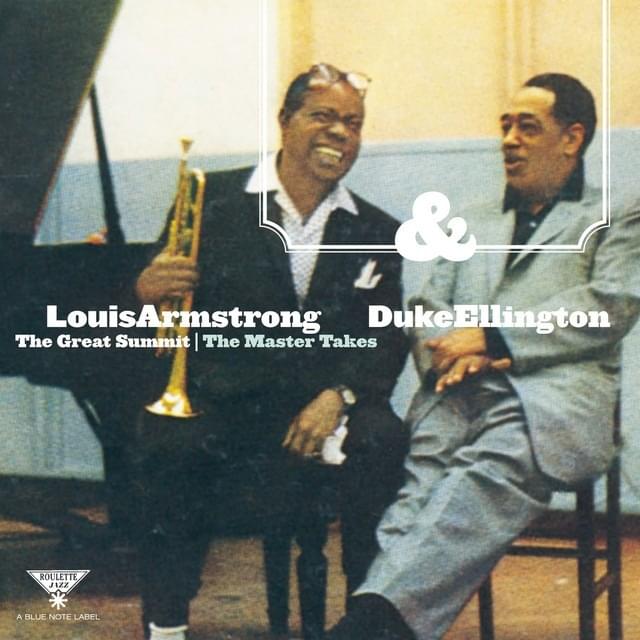
 View Artist