Song Meaning
The lyrics paint a picture of a relationship ending with a bitter prophecy of regret. The speaker directly confronts the recipient, asserting their foundational role in the recipient's development, stating, "I was the one who taught you all you know." This establishes a power dynamic where the speaker feels unappreciated and wronged, believing the mistreatment was undeserved given their investment in the relationship. The opening line, "Someday you'll be sorry," sets a defiant and predictive tone, framing the entire message as a warning delivered from a place of hurt.
The central tension lies in the speaker's dual expression of lingering affection and righteous anger. While they wish the recipient well with "So good luck may be with you" and "for the future have no fears," this is immediately undercut by the assertion that no one else will offer the same level of care, "There won't be another to treat you like a brother." This contrast highlights the speaker's unique contribution to the relationship, a contribution they believe will be sorely missed and deeply regretted.
The most striking craft element is the subtle shift from a personal grievance to a broader, almost familial, comparison. The phrase "treat you like a brother" elevates the speaker's past actions beyond mere romantic involvement, suggesting a deep, selfless, and perhaps even sacrificial level of support. This makes the eventual "sorry" feel not just about romantic betrayal, but about the loss of a profound, irreplaceable bond, amplifying the sting of the speaker's departure.
Ultimately, these lyrics resonate because they tap into the universal sting of being undervalued by someone you've invested heavily in. The speaker's confident prediction of future regret, coupled with the specific claim of having been a foundational influence, creates a powerful sense of vindication. It's the sound of someone who knows their worth, even when it's been dismissed, and trusts that time will eventually prove them right.
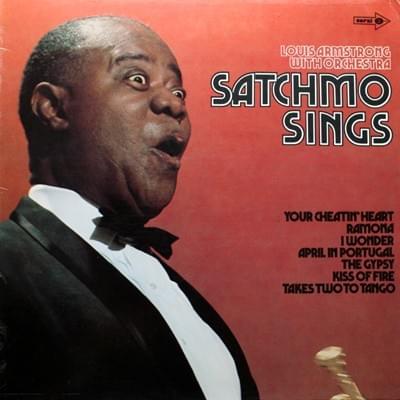
 View Artist