Song Meaning
The narrator's devotion to Margie is the clear, upfront message. He paints a picture of constant thought and public declaration of love, emphasizing her singular importance in his life. The lyrics open with a direct address, establishing a tone of earnest, almost pleading affection. He’s not just thinking about her; he’s ready to shout it from the rooftops, framing her as the sole source of his happiness and inspiration. This immediate, unvarnished declaration sets the stage for everything that follows.
The core tension arises from the narrator's earnest efforts versus an implied uncertainty or need for reassurance. He’s invested heavily, having “bought, I gotta a house and ring and everything,” a significant commitment. Yet, he immediately follows this with a plea: “Don't forget your old promises to me.” This juxtaposition suggests his grand gestures are fueled by a desire to secure a future, perhaps tinged with anxiety that Margie might not feel the same or remember their shared plans. It’s a hopeful pursuit shadowed by a need for reciprocation.
The most striking aspect is the contrast between the narrator's concrete actions and his abstract declarations of inspiration. He’s acquired tangible symbols of commitment—a house, a ring—yet his justification for these actions is purely emotional: Margie makes his “days are never blue” and is his “inspiration.” The lyrics suggest his drive comes from a deep-seated belief in her unique power over his well-being, making him feel she’s “the only one.” This blend of material preparation and emotional reliance highlights the depth of his feelings.
Ultimately, the effectiveness of these lyrics lies in their raw, almost childlike sincerity. The narrator isn't using complex metaphors or veiled language; he's laying his heart bare. His simple, direct statements about love, promises, and inspiration, coupled with the tangible evidence of his preparations, create a powerful portrait of unwavering, if slightly anxious, devotion.
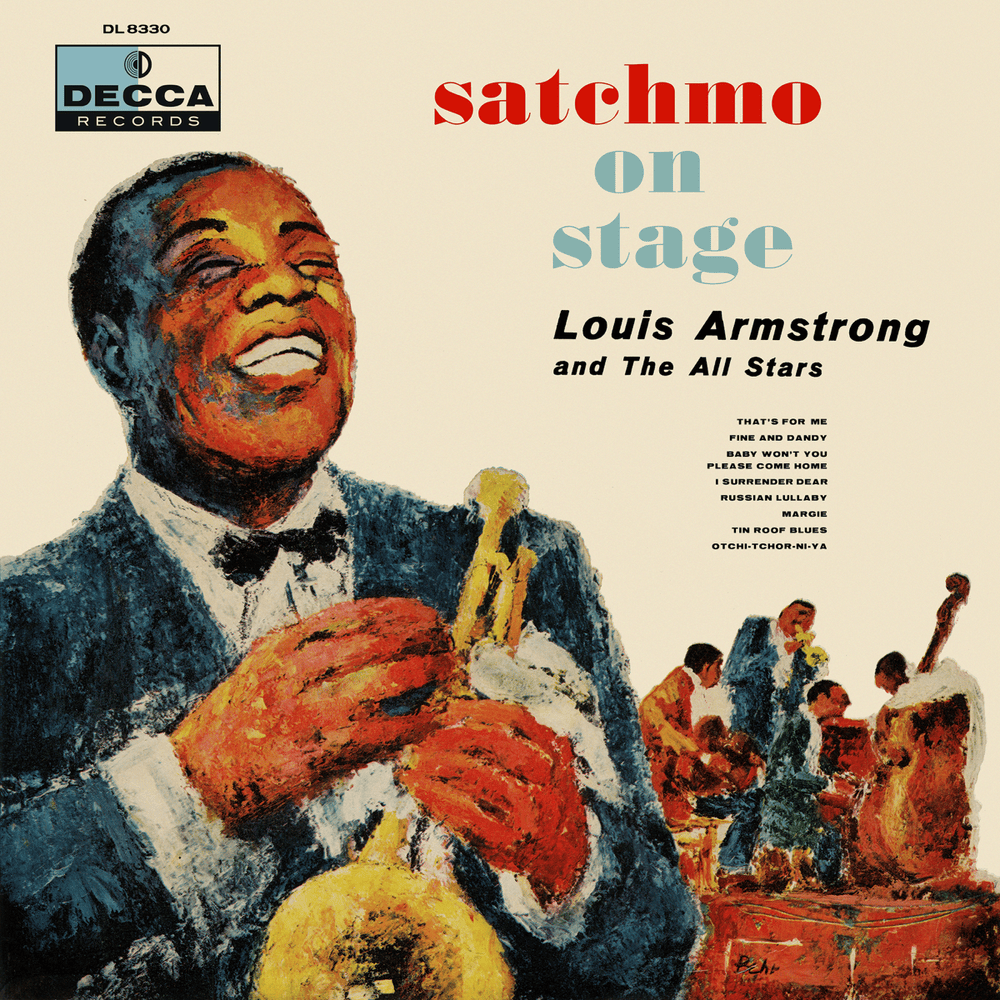
 View Artist