Song Meaning
Loudon Wainwright III, the sardonic bard of broken relationships, slices deep with "Whatever Happened To Us." The song isn't a misty-eyed reminiscence; it's a post-mortem autopsy, dripping with bitterness and a self-aware recognition of failure. Wainwright dissects the devolution of a love affair with the precision of a surgeon and the exasperation of a jilted lover. The opening lines, stark and direct, set the tone: "Whatever happened to you, Whatever happened to us." It's not a quest for understanding, but a rhetorical flourish preceding the blame game. The "proverbial boat" missed, the plane, train, and bus all gone—Wainwright paints a picture of missed opportunities and a relationship doomed from the start. He encapsulates the volatile shift from affection to animosity, noting, "We used to be in love but now we are in hate."
The song's brilliance lies in its unflinching honesty and dark humor. Wainwright doesn't shy away from the ugliness of a relationship's demise, acknowledging the mutual resentment and the flow of "bad blood." There's a raw vulnerability beneath the surface of his cynical observations, a sense of wounded pride and lingering hurt. The lines about timing – "You used to say I came too early, But it was you who came too late" – suggest a fundamental misalignment, a clash of expectations and desires. It's a deceptively simple observation that speaks volumes about the inherent difficulties of sustaining intimacy.
The final verse is a masterpiece of self-deprecation and resignation. Wainwright admits to sour grapes, acknowledging the bitterness that permeates his perspective. His imagined subscriptions to Argosy and Ms. magazines are not about genuine self-improvement, but about creating separate worlds, reinforcing the divide between himself and his former lover. The "tender trap" is exposed as a "suicide snare," a fatalistic view of love as a destructive force. Ultimately, "Whatever Happened To Us" is a brutally honest and darkly funny exploration of love's disintegration, a testament to Loudon Wainwright III's ability to find humor and pathos in the wreckage of human relationships. The song meaning resides not in romantic longing, but in the sharp sting of disappointment and the weary acceptance of a love affair gone wrong.
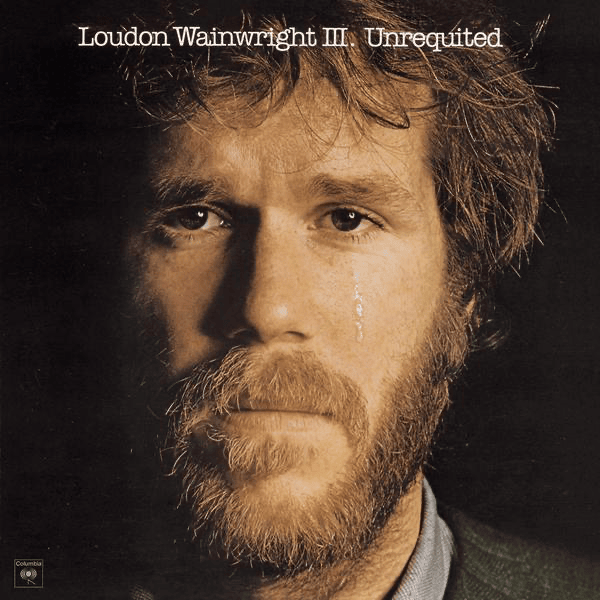
 View Artist