Song Meaning
{"song_id": 10533302, "meaning": "Loudon Wainwright III's rendition of \"Old Paint\" isn't just a cowboy tune; it's a stark meditation on mortality and the enduring spirit in the face of relentless hardship. The song layers archetypal imagery of the open range with glimpses of personal tragedy, creating a world where stoicism and fatalism intertwine. The opening verses establish the cowboy's journey to Montana, a land of both promise and harsh realities, where \"tails are all matted / And their backs are all raw.\" This isn't a romanticized West; it's a place that exacts a physical and emotional toll. The repeated chorus, \"Ride around little dogies / Ride around slow / For the fiery and the snuffy / Are rarin' to go,\" serves as a constant reminder of the simmering chaos and unpredictability that underlies even the most mundane tasks.
The narrative thread about Old Bill Jones introduces a deeper layer of sorrow. Bill's story—loss, misfortune, and resilience—functions as a microcosm of the human condition. The stark contrast between his daughters' fates and his wife's violent death highlights the arbitrary nature of suffering. Yet, despite these crushing blows, \"still he sings / From mornin' to night.\" This dogged persistence in the face of despair is a key element to understanding the song meaning. Bill's song becomes a testament to the power of the human spirit to endure, even when all seems lost.
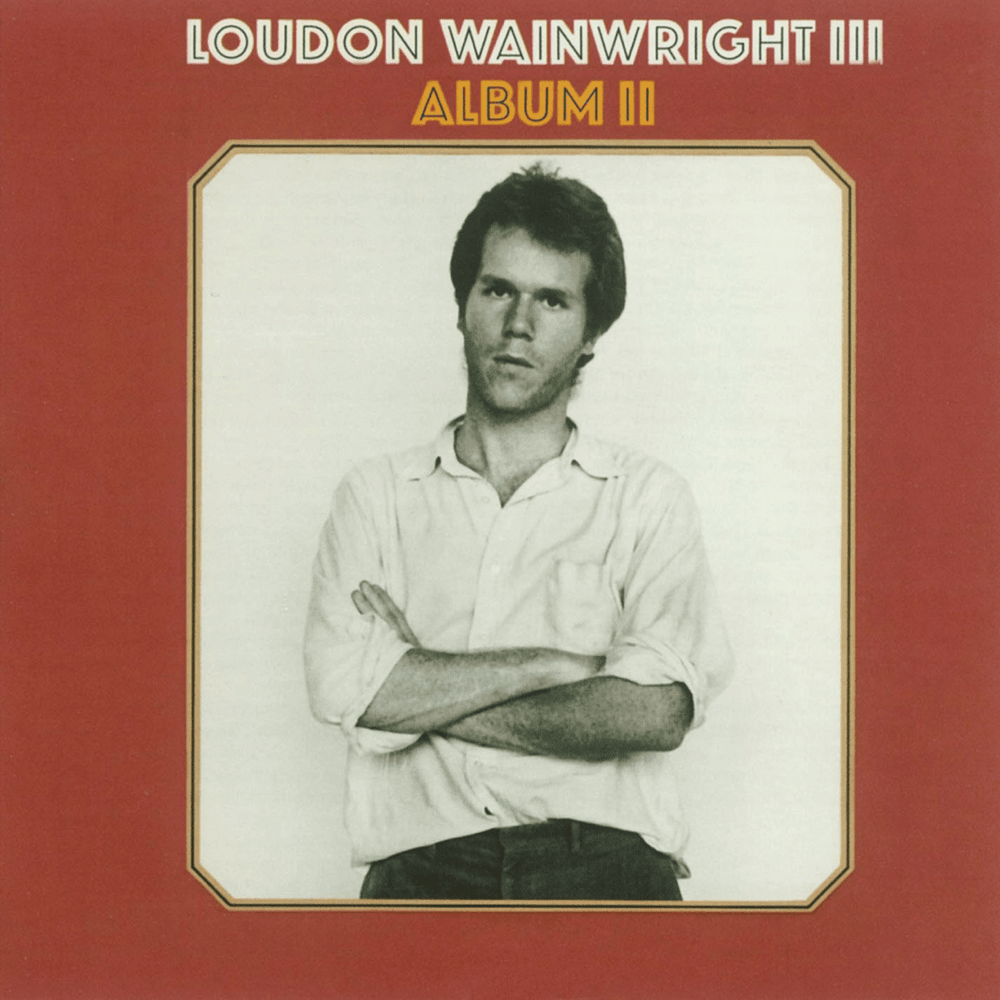
Ultimately, \"Old Paint\" is a reflection on death and legacy. The cowboy's final wish—to have his bones tied to his pony and ride into the prairie—is a powerful image of returning to the land that defined his life. It's a desire to become one with the vast, indifferent landscape, finding solace in the familiar rhythms of the natural world. Wainwright's interpretation, with its understated delivery, amplifies the song's inherent melancholy, transforming a simple cowboy ballad into a profound exploration of life, loss, and the enduring search for meaning in a world often devoid of it."}