Song Meaning
Loudon Wainwright III's "More I Cannot Wish You" isn't just a song; it's a concentrated dose of bittersweet humanity distilled into a deceptively simple form. The lyrics, a series of escalating wishes, initially seem to chase after superficial markers of success: velvet collars, liveried footmen, and grand mansions. But Wainwright, with his trademark sardonic wit, quickly subverts these materialistic desires. The core message of the song meaning becomes clear: all the external validation in the world pales in comparison to the profound, often messy, experience of finding genuine love. He strips away the artifice, suggesting that true fulfillment lies not in societal achievements, but in intimate human connection. The repetition of the line "But more I cannot wish you / Than to wish you find your love / Your own true love this day" drills this point home with the force of a carefully aimed hammer. It's a gentle rebuke of our culture's obsession with outward appearances and a reminder of what truly matters.
The interlude featuring the lines "Standing there/ Gazing at you/ Full of the bloom of youth/ Standing there/ Gazing at you/ With a sheep's eye/ And a lickerish tooth" introduces a layer of complex desire. The "sheep's eye" suggests a naive infatuation, while the "lickerish tooth" hints at a more primal, perhaps even slightly predatory, yearning. This contrast underscores the multifaceted nature of love itself – a blend of innocence and experience, tenderness and lust. Wainwright doesn't shy away from acknowledging the less sanitized aspects of human attraction, recognizing that even the purest of intentions can be tinged with a touch of the carnal.
Ultimately, "More I Cannot Wish You" functions as both a blessing and a subtle critique. Wainwright offers a heartfelt wish for love while simultaneously acknowledging the inherent challenges and complexities that come with it. The closing lines, "With a sheep's eye/ And a lickerish tooth/ And the strong arms/ To carry you away," encapsulate this duality perfectly. It's a recognition that love can be both tender and forceful, innocent and knowing, a force that sweeps us off our feet even as we stand there, gazing with a mixture of hope and trepidation.
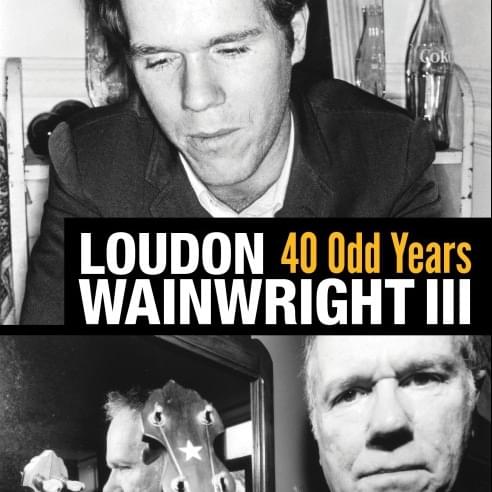
 View Artist