Song Meaning
Loudon Wainwright III's "Hollywood Hopeful (Outtake)" isn't just a song; it's a sharply observed, darkly humorous autopsy of ambition in the entertainment industry. The track paints a picture of a man caught between the naive dreams of childhood and the harsh realities of adulthood, symbolized by his return to the "old backyard" of Los Angeles. It's an environment he once viewed with childlike wonder, recalled by his memory of "when I was ten years old, I was alive," now tainted by the desperation and artifice he witnesses all around. The "Hollywood hotel suite" becomes a microcosm of this disillusionment, a place of "tequila to drink and avocado to eat," but also of "drugs in the rugs and ghosts in the walls." The song's meaning resides in this tension: the allure of success versus the moral compromises it demands. Wainwright’s persona is not that of a wide-eyed newcomer, but of someone who has been around long enough to see through the facade, yet remains trapped in its orbit, "tryin' to get a billboard on the boulevard."
The repetitive structure of the verses, especially the "I never did see so many..." lines, underscores the overwhelming nature of this disillusionment. The sheer volume of TV stars, rented cars, desperate eyes, and bold-faced lies creates a sense of suffocating conformity and manufactured reality. This isn't a celebration of Hollywood; it's a lament for lost innocence and the corrosive effects of ambition. The numerical specificity in the lines about age, "Well I never thought I'd see the age of twenty-five/And it's been twenty-eight years now that I've been alive/And in a matter of months I will be thirty years old," adds a layer of existential anxiety. Time is passing, the dream remains elusive, and the singer is increasingly aware of his own mortality in the face of this stagnant pursuit.
The title itself, "Hollywood Hopeful (Outtake)," hints at a self-awareness and perhaps even a resignation to the song's theme. The parenthetical "Outtake" suggests that this is a raw, unfiltered glimpse into Wainwright’s psyche, a discarded piece that reveals more truth than polished, finished works might allow. The song meaning becomes a commentary on the price of fame and the psychological toll of pursuing it in a world built on illusion. It's a world where childhood dreams are confronted by adult realities, and where the line between success and selling out becomes increasingly blurred. The song's power lies in its unflinching portrayal of this struggle, delivered with Wainwright's signature blend of wit and melancholy.
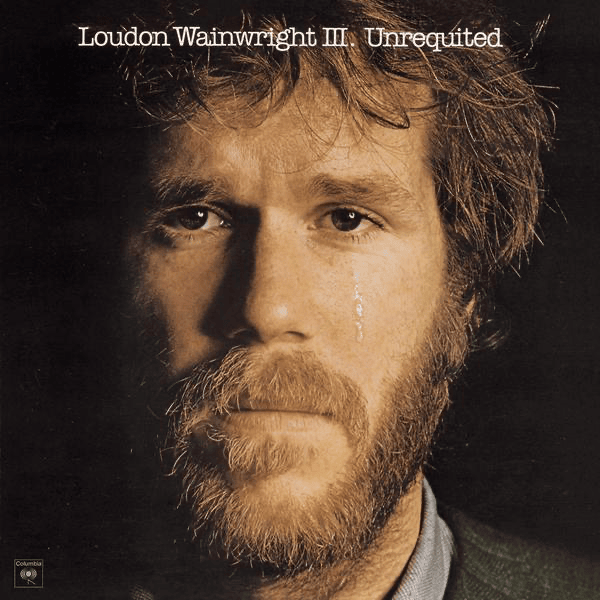
 View Artist