Song Meaning
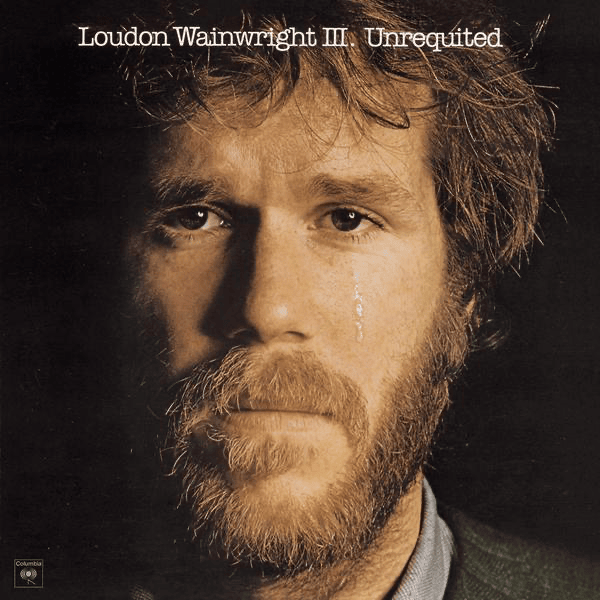
{"song_id": 10533510, "meaning": "Loudon Wainwright III's \"Crime of Passion\" is a masterclass in darkly comedic self-destruction, a gleeful plunge into the abyss of desire. The song's twisted brilliance lies in its simultaneous embrace of lust and death, painting a portrait of a speaker utterly consumed by a relationship, willing – even eager – to sacrifice himself at the altar of intimacy. It's not merely about passion; it's about passion as a form of annihilation. The opening lines, \"Take me in your arms, snuff me with you charms / Crime of passion, crime of passion,\" establish this theme immediately, framing the relationship as a dangerous, potentially lethal act. The \"crime\" isn't just the affair itself, but the speaker's own willingness to be consumed by it. The phrase \"hard time ration\" adds a layer of wry humor, suggesting that even in death, he anticipates a certain scarcity, perhaps of affection or attention.
The song meaning takes a turn towards the absurd as Wainwright contemplates the details of his demise. The lines \"Yeah, what a way to go, think of my death throe / It would thrill me, it's gonna thrill me\" reveal a morbid fascination with the act of self-sacrifice. He envisions his death not as a tragedy, but as a thrilling spectacle, a performance for an audience of one. The bizarre image of dying \"wedged inside you pie\" underscores the song's black humor. It's a grotesque, almost cartoonish image that clashes sharply with the song's underlying seriousness, creating a unsettling tension that defines Wainwright's artistry.
Ultimately, \"Crime of Passion\" is a meditation on the intoxicating power of obsession. The lyrics analysis reveals a complex character, one who is both self-aware and utterly helpless in the face of his desires. The line \"Well it's a kind of suicide that simply must be tried\" encapsulates this paradox perfectly. The speaker recognizes the destructive nature of his passion, yet he cannot resist its allure. He sees it as an experiment, a necessary exploration of the boundaries of self and other. The final lines, referencing a \"silly smile upon my face\" and suspiciousness, suggest that this embrace of self-destruction is not entirely innocent. There's a performative aspect to it, a deliberate courting of danger that hints at a deeper, perhaps unconscious, desire for attention or validation. In Wainwright's world, even the most destructive impulses are laced with a sardonic wit and a keen understanding of human folly."}
 View Artist