Song Meaning
The lyrics paint a stark, early morning scene of a hunter in the marshes, gun in hand. The dominant tone is one of quiet observation, a stark contrast to the violent act the hunter is prepared for. The mist and the distant sounds of birds set a mood of stillness, broken only by the rustling of reeds and the dogs' progress. The initial focus is on the tools of the hunt and the natural world, establishing a sense of detachment.
The central tension emerges from the hunter's internal conflict. While equipped for the kill, the narrator experiences a pang of guilt, a feeling of being "a little guilty." This internal shift prompts a change in action: he abandons the hunt, choosing instead to take his dog for a walk and simply observe the sky. This decision marks a clear departure from his initial purpose, highlighting a moment of introspection and a rejection of the violent impulse.
The most striking element is the narrator's projection onto the birds. He observes the wild geese heading south and the partridges rising into the clouds, but his desire shifts from hunting them to joining them. The repeated phrase "J'aurais bien aimer les accompagner / Au bout de leur voyage" (I would have liked to accompany them / To the end of their journey) reveals a deep yearning for freedom and belonging, a stark contrast to his solitary, armed presence in the marsh. The lyrics suggest a profound empathy developing in the face of his own potential action.
This shift from hunter to observer, driven by a sudden wave of guilt and a desire for connection, is what makes the lyrics so effective. The simple, direct language allows the emotional weight to land without artifice. The narrator's ultimate contentment, found not in the kill but in the quiet contemplation of the sky and the imagined journey of the birds, offers a poignant resolution. It’s a quiet renunciation of violence in favor of a shared, albeit imagined, sense of peace and movement.
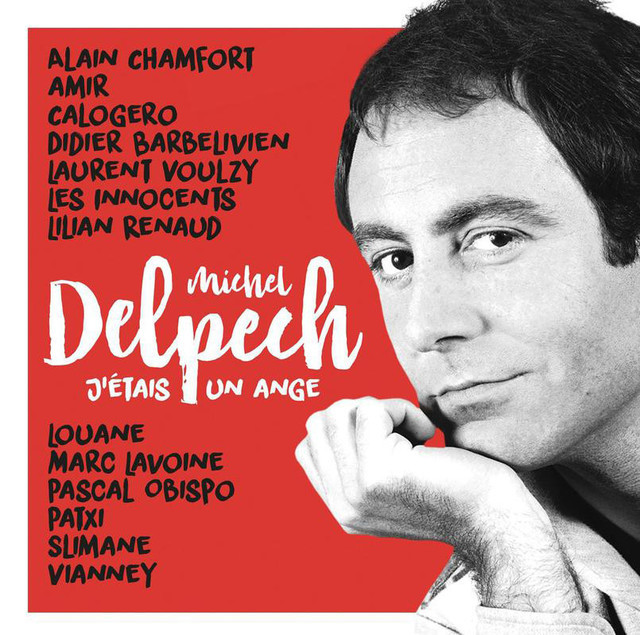
 View Artist