Song Meaning
The narrator is stuck in a paralyzing state of indecision, unable to make even simple choices, which mirrors a deeper confusion about a relationship. The opening lines immediately establish this theme, comparing the inability to choose paint colors for a room to a fundamental lack of understanding about another person. This isn't just about a bad mood; it's a pervasive inability to grasp reality or make a definitive move. The repeated phrase "I can't seem to make up my mind" acts as a mantra of this internal paralysis.
The core tension arises from the narrator's uncertainty about the other person's intentions and actions. Questions like "Are you laughing at me or telling a joke?" and "Are you laughing at me in your sleep tonight?" reveal a deep-seated insecurity and a fear of being mocked or abandoned. This uncertainty is amplified by the image of a "cigarette on the sheet begins to smoke," a small, potentially destructive detail that suggests a slow burn of anxiety or a relationship teetering on the edge of disaster. The narrator desperately wants the other person to "make up your mind," projecting their own indecision onto their partner.
The bridge brilliantly encapsulates the scope of this indecision through a series of stark, binary oppositions: "Right or left, up or down, In or out, straight or round." These simple, almost childlike contrasts highlight how even basic choices feel impossible. The shift to "Love or lust, rain or shine" elevates the stakes, suggesting the narrator's confusion extends to the very nature of their feelings and the stability of the relationship. The phrase "my poor mind" adds a touch of self-pity, emphasizing the overwhelming nature of this internal struggle.
Ultimately, the lyrics' effectiveness lies in their raw portrayal of a mind trapped in a loop of uncertainty. The repetition of "Make up my mind" and the plea for the other person to do the same underscore a desperate need for clarity and resolution. The final lines, "Leaving me behind / Why don't you make up your mind? / About leaving me, baby," reveal the painful consequence of this indecision: the threat of abandonment. The narrator's inability to choose is mirrored by the other person's potential choice to leave, creating a devastating feedback loop.
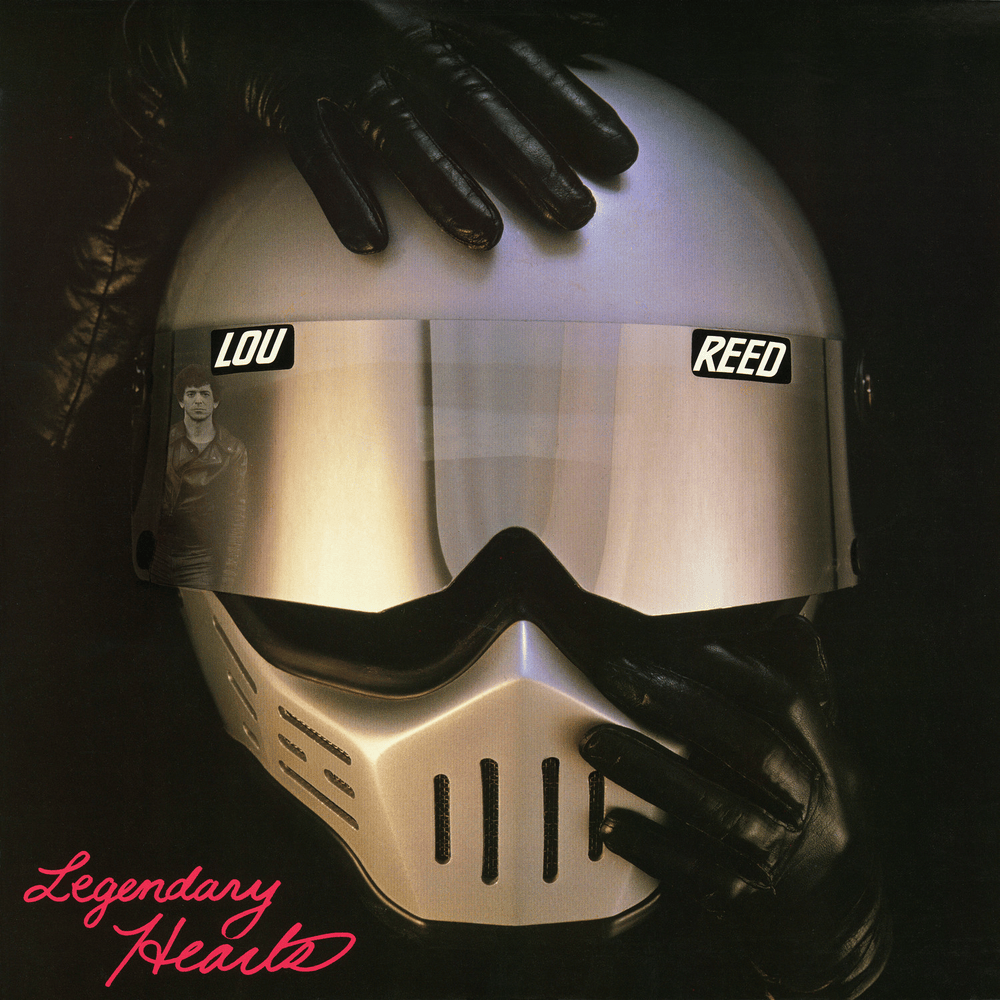
 View Artist