Song Meaning
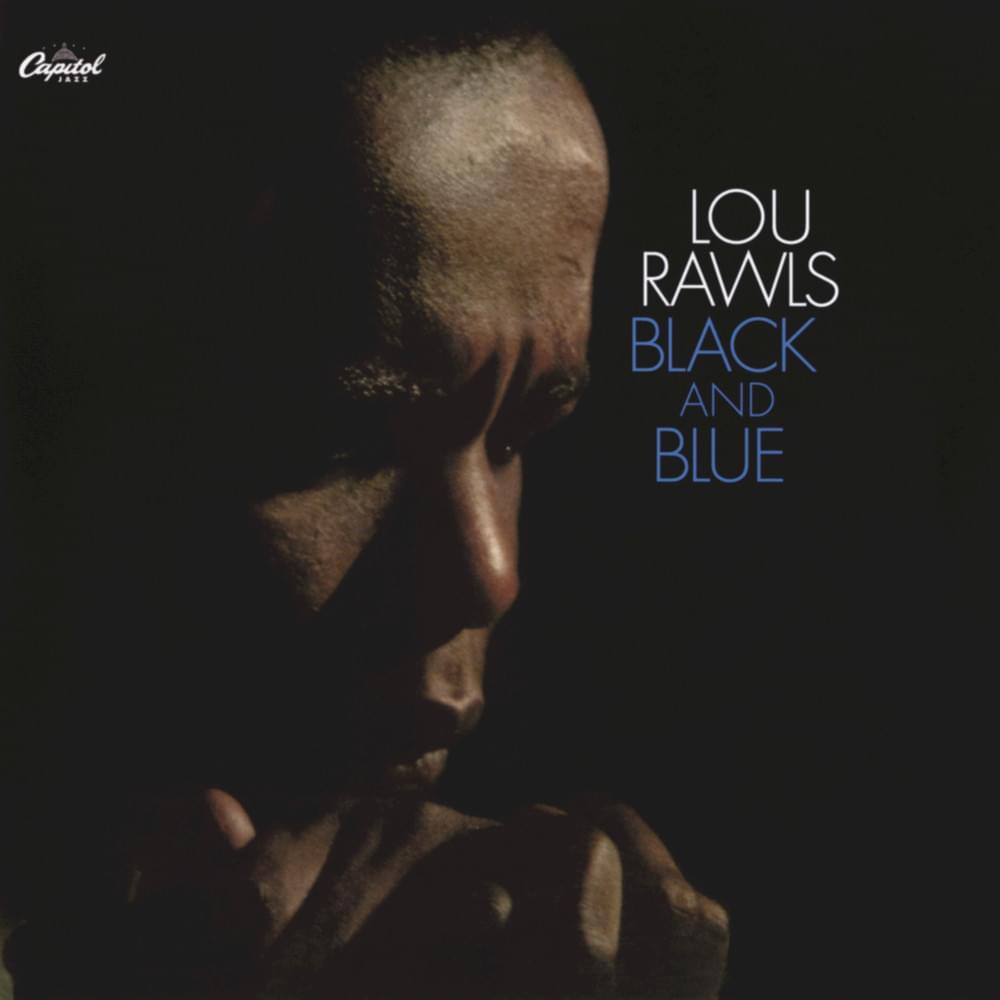
Lou Rawls's rendition of "Trouble In Mind" isn't just a blues lament; it's a masterclass in emotional resilience disguised as despair. The song meaning resides in that delicate balance between acknowledging profound sorrow and clinging to the hope of eventual relief. Rawls doesn't wallow; he articulates a condition familiar to us all: the experience of feeling overwhelmed, teetering on the edge, yet refusing to surrender completely. The opening lines establish the premise – a state of blues, yes, but crucially, a state that is not presented as permanent. "I won't be blue always," he insists, a declaration of intent as much as a statement of belief.
The psychic weight of "Trouble In Mind" stems from its stark simplicity. Rawls lays bare the raw nerves of a soul stretched thin. The lyrics speak of a mind near its breaking point, where life's value is questioned, and the temptation to succumb is palpable. This isn't abstract philosophizing; it's the immediate, gut-wrenching sensation of being consumed by hardship. The repetition of "Trouble in mind, I am blue" acts as a mantra, both a recognition of the present suffering and a grounding mechanism against being swept away by it. The image of being "all alone at midnight" with a "lamp is burnin' low" is a potent symbol of isolation and dwindling resources, both internal and external.
But the song's genius lies in its final twist: "When you see me laughin', I'm just laughin' to keep from cryin'." This line isn't a cynical dismissal of joy, but rather an acknowledgement of the complex coping mechanisms humans employ. It suggests a performance of normalcy, a conscious effort to maintain composure in the face of inner turmoil. Rawls, through this song, offers not just a portrait of suffering, but a testament to the enduring human capacity to find glimmers of light even in the darkest of times, to fight for hope even when overwhelmed by "trouble on my worried mind."
 View Artist