Song Meaning
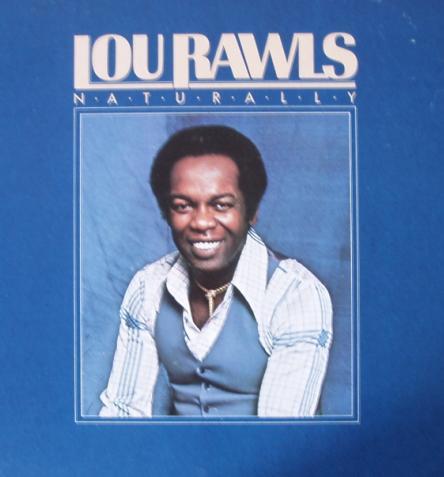
Lou Rawls' live rendition of "Tobacco Road" isn't just a bluesy lament; it's a primal scream from the forgotten corners of American poverty, a twisted love letter to a place that simultaneously nurtured and nearly destroyed a soul. The song meaning hinges on that central paradox: the agonizing push-and-pull between a desperate desire to escape and an inescapable, almost Stockholm Syndrome-esque, attachment to the source of one's pain. Rawls doesn't just sing the lyrics; he embodies the conflicted heart of someone born into deprivation, where even the most wretched circumstances become interwoven with identity. The opening lines—"Mama died and my daddy got drunk / Left me here to die or grow"—paint a stark picture of abandonment and neglect.
The genius of "Tobacco Road" lies in its refusal to offer easy answers. It's not simply a tale of wanting to "make it" and never look back. The narrator dreams of returning, not to wallow, but to utterly transform the landscape of his suffering: "Bring dynamite and a crane / Blow it up, start all over again." This isn't just about physical reconstruction; it's about psychic reclamation. He wants to rebuild Tobacco Road in his own image, free from the filth and despair that defined his upbringing. The lyrics analysis reveals a yearning to heal not only the land but also the deep-seated wounds it inflicted.
Ultimately, Rawls' performance underscores the deeply human struggle to reconcile with one's past. The repetition of "it's home / The only life I've ever known" is both a resignation and a defiance. There's a recognition that trauma can be a powerful anchor, shaping one's sense of self even as one strives to transcend it. The final lines, "I despise you 'cos your filthy / But I love ya, 'cause it's home," encapsulate the tragic beauty of "Tobacco Road" – a portrait of resilience forged in the crucible of hardship, a testament to the enduring power of place, however scarred, to define who we are.
 View Artist