Song Meaning
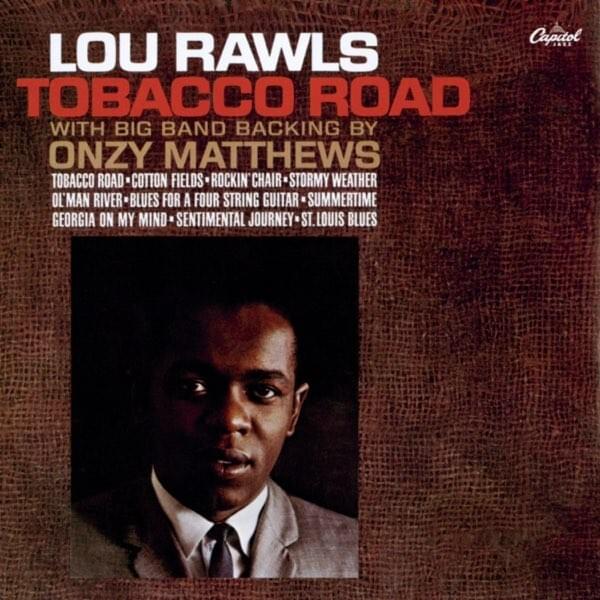
Lou Rawls's "Tobacco Road" is less a geographical place than a psychological prison. The lyrics paint a stark picture of generational poverty and personal trauma, a landscape etched in hardship. The narrator's early life, marked by maternal death and paternal abandonment, sets the stage for a deep ambivalence. The repeated line, "Only you know how I loathe this place called Tobacco Road," isn't just about disliking the dust and shacks; it's a primal scream against a destiny seemingly pre-ordained by circumstance. It’s a confession of the speaker's profound alienation from their origins. The use of 'you' implies a shared experience, or perhaps an appeal to some higher power that understands the narrator's despair.
But the heart of "Tobacco Road" lies in its contradictory impulses. The narrator dreams of escape, fueled by ambition and divine grace: "I'm gonna leave and get a job...save some money, get rich I know." Yet, this isn't a simple tale of upward mobility. The plan isn't just to abandon Tobacco Road, but to return, not as a victim, but as a savior. The intent is to literally rebuild it, to cleanse the filth with dynamite and construct something worthy of pride. This speaks to a deeply ingrained sense of responsibility, a refusal to fully sever ties with the past, however painful.
The song's final verse encapsulates this internal conflict perfectly. "I despise you 'cos your filthy / But I love ya, 'cause it's home." This isn't blind nostalgia; it's a recognition that identity is forged in the crucible of experience. Tobacco Road represents the speaker's origins, their scars, their very being. The song's genius resides in this refusal to offer easy answers. It doesn't glorify poverty, nor does it advocate for a clean break from the past. Instead, it presents a complex portrait of a person grappling with the weight of their history, determined to transform it, not erase it. The song grapples with the universal human desire to both escape and reclaim one's origins, making "Tobacco Road" a poignant exploration of identity, place, and the enduring power of home.
 View Artist