Song Meaning
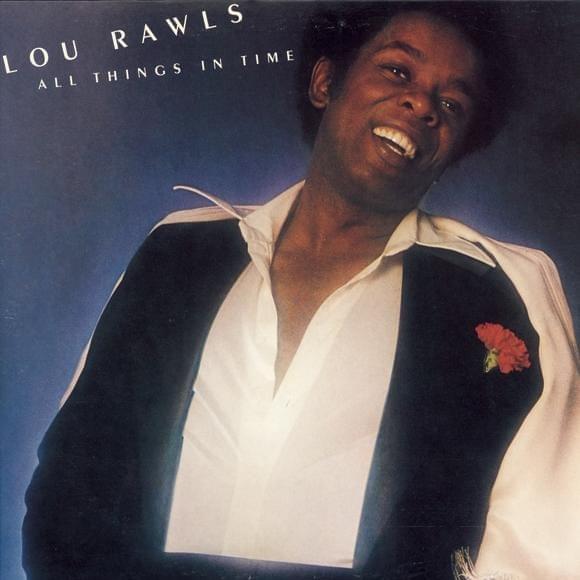
Lou Rawls, the velvet-voiced bard of late-night introspection, doesn't just sing about "Time"; he inhabits its melancholic currents. This isn't a song chasing fleeting moments; it's a meditation on the inevitability of life's seasons. Rawls lays out a simple, almost biblical structure – birth, death, love, sorrow – establishing a cyclical view of existence where joy and pain are not opposing forces but intertwined threads in the grand tapestry. The song meaning is rooted in acceptance, a mature understanding that everything arrives and departs according to an unseen rhythm. It's the emotional equivalent of observing the tides.
The genius of "Time" lies in its understated wisdom. Rawls avoids grand pronouncements, instead offering observations that resonate with lived experience. The shift from concrete events ("a time to be born") to emotional states ("a time to be hurt") reveals a deeper focus on the human condition. The lyrics deftly explore how we react to the milestones and setbacks that define us. It acknowledges the inherent duality within these experiences. The line, "There's a time to be hard / And then to realize," hints at the necessary defenses we build, only to later dismantle them in pursuit of healing and understanding.
Ultimately, "Time" suggests that our perception of time itself is subjective, molded by the ebb and flow of our feelings. Rawls sings, "Time is just a word / That measures the changes / In the way that we feel." This is not merely a chronological marker but a barometer of our internal landscape. Life’s pages turn, not at a consistent pace, but according to the intensity of our experiences. The recurring refrain, "A time for love, a time for tears," reinforces this cyclical view, reminding us that emotional extremes are intrinsic to the human journey. Lou Rawls offers not just a song, but a comforting philosophy for navigating the complexities of existence.
 View Artist