Song Meaning
The lyrics immediately establish a clear, almost rigid, definition of Christmas: it belongs solely to children. This is reinforced by images like Santa, reindeer, and sleigh, all presented as elements specifically for the young. The repeated phrase "Christmas - is for children" acts as a definitive, almost exclusionary, statement, setting up a contrast between the perceived innocence of childhood and the presumed jadedness of adulthood.
The central tension arises when the narrator questions this strict division, asking, "But aren't we all children?" This pivot suggests a yearning to recapture the childlike wonder associated with the holiday. The lyrics then introduce a specific, poignant detail: a father who is only interested in an electric train, something he previously wouldn't have cared for. This hints at a possible regression or a simplified focus in the father's adult life, making him, in a way, also a child with a specific desire.
The most striking craft element is the subtle shift in perspective and the implied emotional subtext. While the narrator initially states Christmas is for children, the subsequent questions and the observation about the father reveal a deeper, more complex emotional landscape. The lyrics don't just state a fact; they explore the *feeling* of Christmas and how that feeling might persist or be yearned for even in adulthood, particularly through the lens of a parent's simplified desires.
This song resonates because it taps into the bittersweet reality of growing up. It acknowledges the magic of childhood Christmas while simultaneously expressing a desire to hold onto that magic, even when logic dictates otherwise. The specific image of the father and his train grounds this universal feeling in a concrete, relatable scenario, making the narrator's questioning of the "children only" rule feel earned and deeply human.
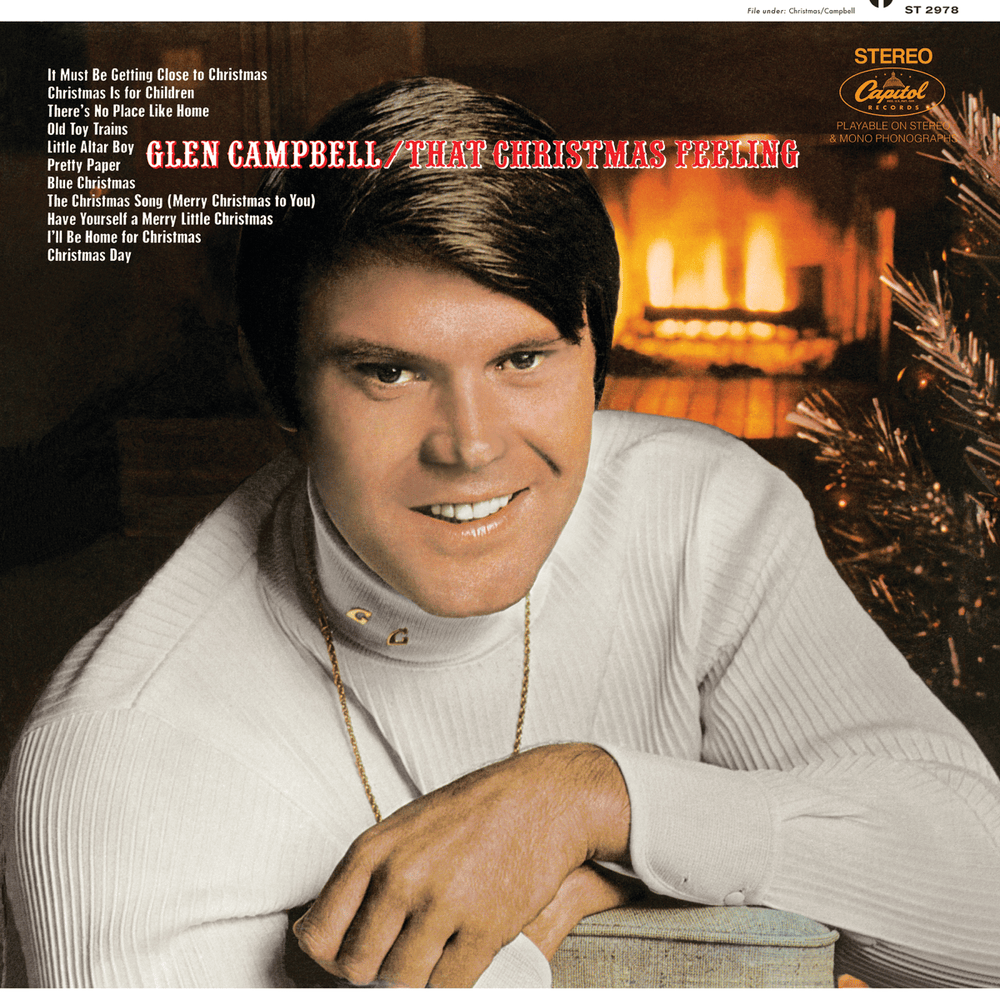
 View Artist