Song Meaning
This track kicks off with a raw, immediate demand: "Give me back my wig I bought you, baby." The narrator’s tone is one of sharp, no-nonsense rejection, cutting ties with a lover who’s clearly overstayed their welcome and overspent the narrator’s funds. The opening lines establish a transactional, almost petty, breakup, where the very object of affection—a wig—becomes the focal point of the dispute. It’s less about lost love and more about a bad deal gone sour, underscored by the blunt declaration, "I don't love you no more."
The central conflict here is financial and emotional betrayal, framed through the lens of a specific, unusual gift. The narrator regrets ever letting their partner into the "wig store," seeing it as the moment they made a grave error, "doing the wrong thing." This isn't just about a lost wig; it’s about being taken advantage of, with the partner revealed as a "dirty mistreater" who offers no support and actively drains the narrator’s resources. The repetition of "dirty mistreater" hammers home the depth of this perceived betrayal.
The lyrics deploy a striking, almost darkly humorous, contrast between divine creation and human materialism. The narrator claims they "did something for that woman / That the good Lord never done" by buying her hair, while God "didn't give a damn." This elevates the act of buying a wig to a level of human intervention that surpasses even divine provision, highlighting the narrator's exasperation and the perceived absurdity of the situation. The final threat, to make the partner "go bald" and lose "your head and all," is a visceral escalation, tying material possessions directly to the partner's very being.
What makes these lyrics hit so hard is their unflinching specificity and the raw, almost petty, anger they convey. It’s not a grand, sweeping ballad of heartbreak, but a grounded, gritty account of being financially and emotionally fleeced. The focus on the wig, the "bread," and the "nappy head" grounds the abstract pain of betrayal in tangible, almost comically mundane details, making the narrator's fury feel earned and intensely relatable in its own unique way.
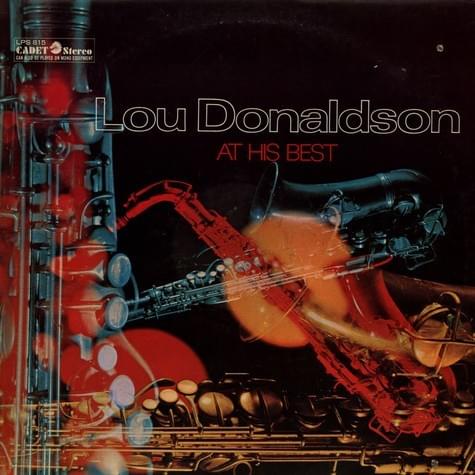
 View Artist