Song Meaning
The lyrics paint a picture of a hopeful future where peace and a sense of normalcy will return, but this grand vision is immediately undercut by a personal, jarring declaration of insanity. The narrator envisions a collective return to life, a universal feeling of peace, yet their own reality is framed by being "declared me insane." This stark contrast between a global, positive outlook and a deeply personal, negative judgment creates a palpable tension. The repeated phrase "It'll take time" acts as both a mantra for this eventual peace and a resigned acknowledgment of the slow, arduous process of personal recovery or societal change.
The central conflict seems to stem from this external labeling of insanity, which paradoxically grants the narrator a strange freedom. "So I could lay in the sunshine and laugh in the rain" suggests a defiant embrace of their perceived madness, finding joy and liberation in a state that others have deemed unacceptable. This isn't necessarily a celebration of mental illness, but rather a commentary on how societal judgment can isolate individuals, forcing them into a space where their only recourse is to find solace in their own unconventional reality. The narrator seems to be asserting a right to their own experience, regardless of external validation.
The most striking element is the juxtaposition of grand, almost cosmic imagery with the mundane detail of a "little white car." This small, specific object becomes the vehicle for a life-altering pronouncement, grounding the abstract concept of being declared insane in a concrete, almost absurd image. The repetition of this line, coupled with the hopeful refrains about peace and the return of life, highlights the narrator's struggle to reconcile their internal state with the external world's perception. The lyrics suggest that true peace, both personal and collective, requires more than just the passage of time; it requires a redefinition of sanity and acceptance.
Ultimately, the effectiveness of these lyrics lies in their ability to evoke a complex emotional landscape with deceptively simple language. The repeated assurances that "It'll take time" feel earned, not just as a prediction of future peace, but as a deep understanding of the slow, often painful process of healing and acceptance. The narrator's ability to find a sliver of joy even while being "declared me insane" offers a poignant, if bittersweet, perspective on resilience and the human spirit's capacity to adapt, even under the weight of societal judgment.
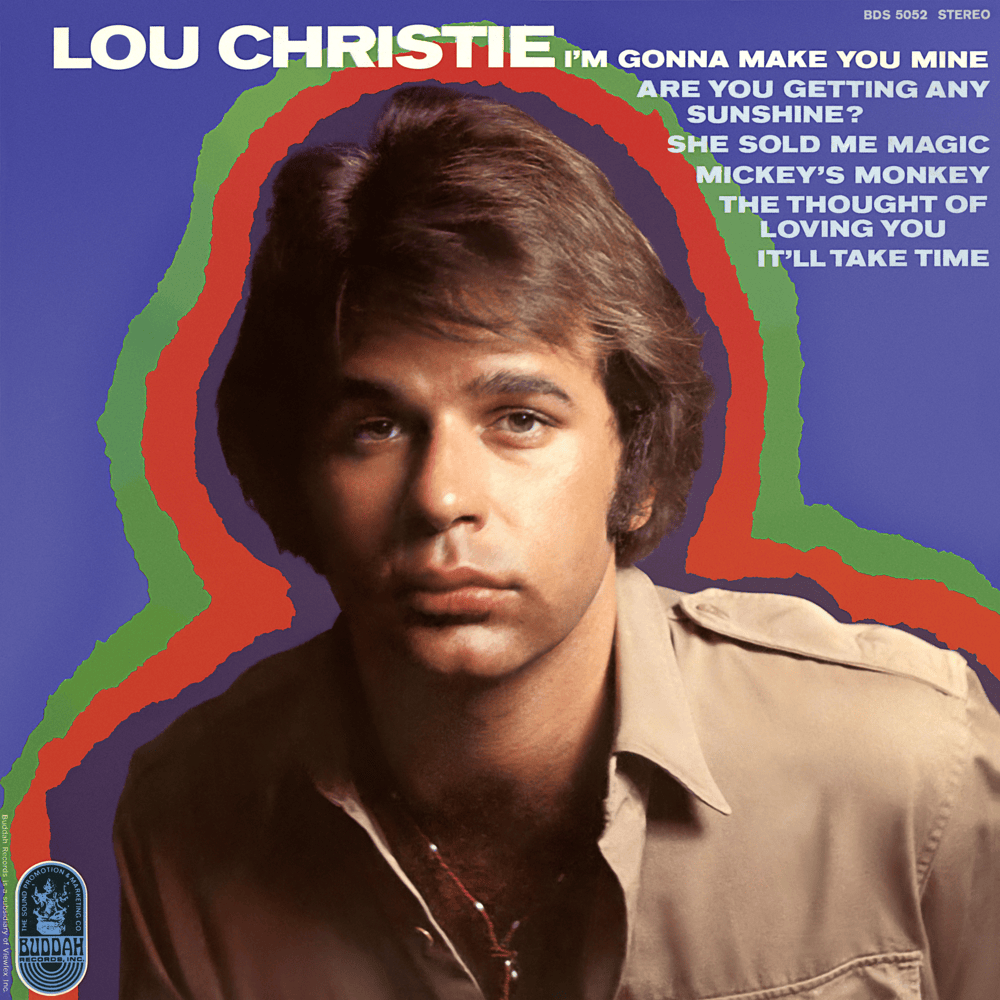
 View Artist