Song Meaning
The lyrics present a stark contrast between youthful idealism and the weary pragmatism of old age, framed as a direct challenge. The narrator, Fräulein Schneider, repeatedly poses the question "What would you do?" to a younger, presumably more optimistic interlocutor. She highlights the perceived ease of youthful bravery and certainty, contrasting it with her own lived experience of isolation and the limited scope of her world, which she describes as "some rooms to let" and "the sum of a lifetime."
The central tension lies in the narrator's plea for empathy and understanding from the younger generation. She asks if they would be willing to "pay the price" or if they would simply "manage until the end" if they were in her position. This isn't just about aging; it's about facing a life where the "will nor wish to run" has faded, and the primary drive is simply to rest when the day is done. The narrator seems to have found a quiet resignation, being "not at war with anyone," a state that might appear passive to the young but is hard-won.
The most striking craft element is the persistent, almost taunting repetition of "What would you do?" It functions as a rhetorical device, forcing the listener to confront the limitations and compromises that life can impose. The lyrics suggest that the young person's "cure" of being "brave, being sure / And free" is a luxury unavailable to someone "alone like me." The final plea, "What would you do / If you were me?" is a direct invitation to inhabit a different perspective, one shaped by accumulated years and perhaps a sense of being overwhelmed by external pressures, like a "frightened voice / Being told what the choice must be."
These lyrics resonate because they tap into the universal human experience of facing mortality and the potential for wisdom to be born from hardship and resignation. The effectiveness comes from the narrator's direct, unvarnished questioning, which bypasses abstract philosophy and lands squarely on the practical, emotional realities of a life lived. It’s a powerful reminder that the solutions and certainties of youth can feel hollow when confronted with the accumulated weight of experience and the quiet dignity of simply enduring.
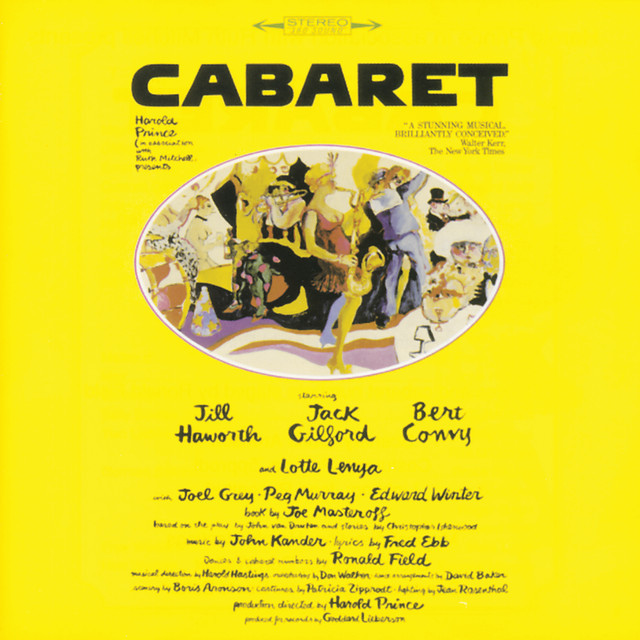
 View Artist