Song Meaning
The lyrics paint a stark picture of feeling beaten down and trapped, with an almost visceral sense of failure. The opening lines, "The hammer nailed us. The bastards laughing," immediately establish a tone of defeat and external mockery. This sets up a profound sense of disappointment, amplified by the question, "Father are you proud?" which suggests a deep-seated need for validation that feels unmet, especially when a small setback, "a yard short," feels like a catastrophic loss.
The central tension revolves around a feeling of inescapable stagnation and existential dread. The narrator describes a "never ender" state of complacency, where "passing moments you can't take back" are lost to a cycle of contemplating escape routes without ever finding a true home. This creates a palpable anxiety about the passage of time and the inability to break free from a self-imposed or externally enforced rut, leading to a desperate questioning of salvation.
What's particularly striking is the lyrical construction around the idea of a "never ender." This phrase is repeated, reinforcing the cyclical and seemingly permanent nature of the narrator's predicament. The contrast between the "constant contemplation of exit situations" and the reality of "stay[ing] complacent" highlights a paralyzing internal conflict. The lyrics suggest a profound disconnect between the desire for change and the inability to enact it, leaving the narrator adrift in a sea of unanswered questions about life's value and ultimate fate.
This passage hits hard because it articulates a specific kind of despair: the quiet, internal erosion of hope. The focus isn't on a dramatic event, but on the slow, agonizing realization of being stuck, of time slipping away, and of fundamental questions about worth and salvation remaining unanswered. The raw, almost bitter tone, combined with the imagery of being "nailed" and "laughing bastards," makes the feeling of being utterly forsaken and resigned to a bleak existence incredibly potent.
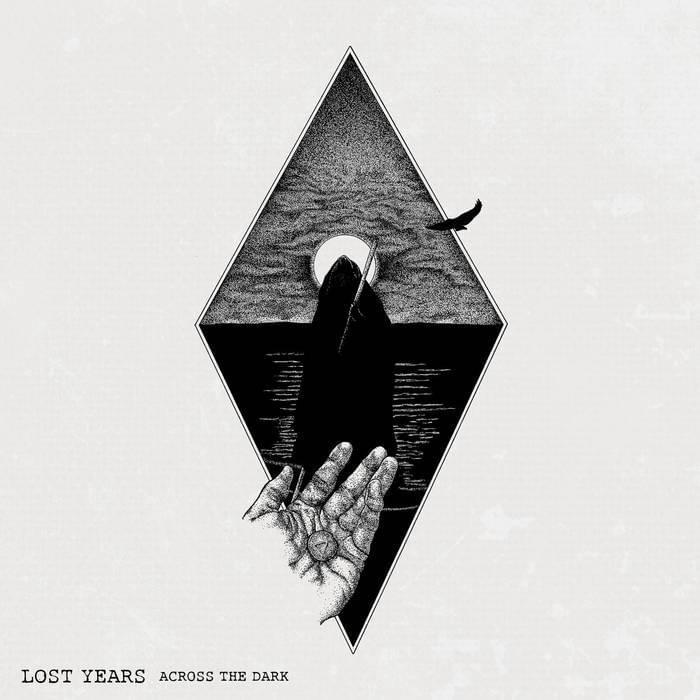
 View Artist