Song Meaning
The narrator begins by describing a desecrated wedding dress, now painted red and tattered, a stark image of a violated union. This act of defilement, however, is framed by a complex mix of forgiveness and a desire for future retribution. The phrase "crimson bridge" suggests a path built on sacrifice or pain, connecting past and present, perhaps the idealized wedding to the current reality. The narrator oscillates between lifting someone up and a chilling anticipation of "sweet horrors" and a "perfect crime."
The central tension lies in this duality: a declared forgiveness juxtaposed with a yearning for a "reckoning" and "punishment." The narrator seems to be enacting a ritual, perhaps a symbolic cleansing or a reenactment of trauma, where the "ugly wedding dress" becomes a canvas for this internal conflict. The repeated assertion of lifting someone up, immediately followed by blindness or inability to see, highlights a profound internal disconnect and a loss of clarity.
The most striking craft element is the juxtaposition of wedding imagery with violence and crime. The "wedding dress" painted "red" and the "crimson bridge" are twisted symbols of love and commitment. The phrase "electric eyes to fit my perfect crime" suggests a heightened, almost supernatural perception, but one focused on enacting vengeance rather than understanding. The "sweet horrors" glimpsed in the "mind's eye" reveal a disturbing fascination with the very pain being inflicted or experienced.
Ultimately, these lyrics derive their power from this unsettling blend of ritualistic action and psychological turmoil. The transformation is framed not as healing but as a permanent, painful change, marked by "cuts" and "blood" as the narrator's "reckoning." The narrative doesn't offer resolution but rather a chilling descent into a self-created reality where pain and retribution become the only tangible elements left.
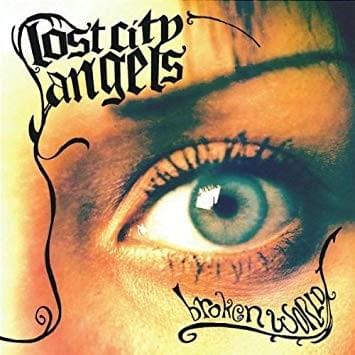
 View Artist