Song Meaning
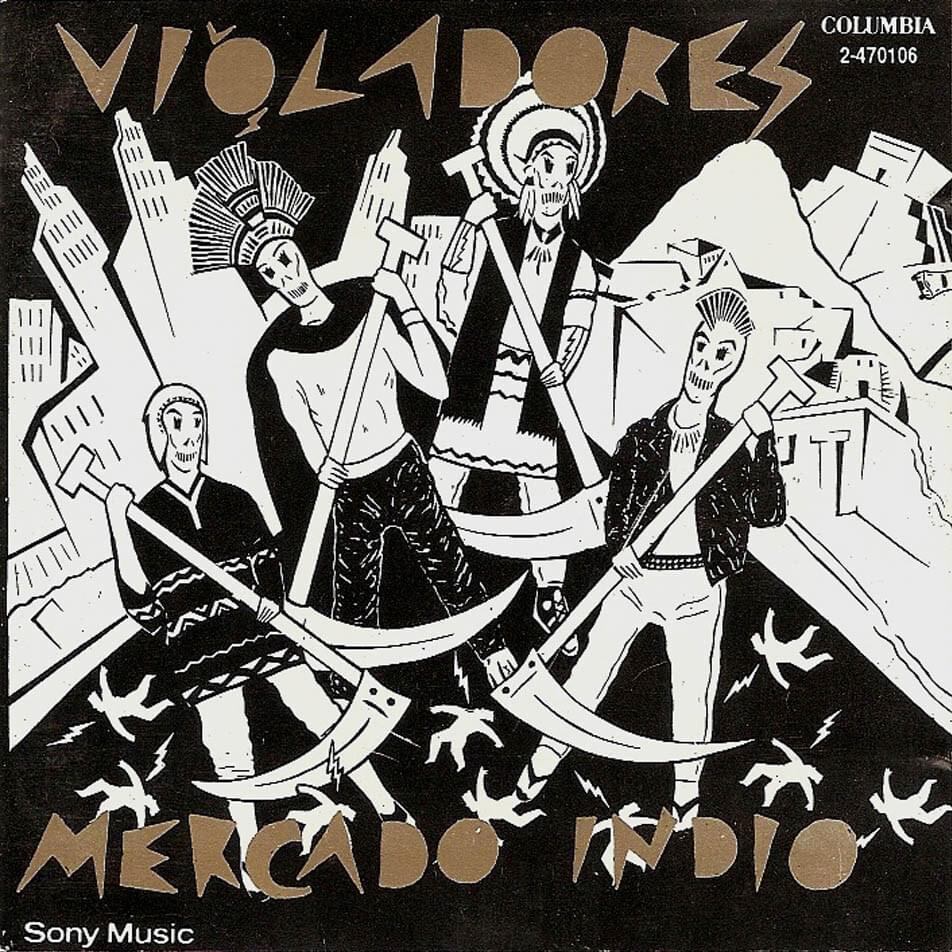
“Mercado Indio” paints a stark picture of historical and ongoing exploitation. It traces a lineage of conquest from ancient expeditions to modern-day transactions. The lyrics suggest a world where past betrayals echo loudly in the present, making the “Indian Market” a potent symbol of cultural loss and economic subjugation.
The core tension lies in the relentless cycle of exploitation, vividly captured by the “Ayer espejos por oro / Hoy dolares por baratijas” parallel. The lyrics draw a direct line from colonial “expedición” and “matanza” to contemporary economic subjugation. This suggests that while the tools of control change – from “espadas de traición” to “misiles para el terror” – the underlying dynamic of power and plunder remains tragically consistent. The past isn't just history; it's an active, destructive force in the present.
Perhaps the most chilling imagery appears in the recurring chorus: “Las momias son los chicos / Las vendas son sus amos.” This powerful metaphor suggests the youth are not truly living, but rather embalmed and controlled by unseen, oppressive forces. The contrast between “todo es muy raro” and “todo esta claro” within the market further sharpens this critique, implying that while the situation is bizarrely unjust, the mechanisms of “Compra y venta” – buying and selling – are transparently dictating the present and stealing the future.
These lyrics effectively convey a profound sense of historical trauma and ongoing injustice. By juxtaposing ancient conquests with modern economic realities, the song creates a feeling of inescapable fate, where cultures are not just lost but actively “quemaron” – burned away.
 View Artist