Song Meaning
The lyrics open with a curious permission for wild abandon, quickly followed by a stark warning that not everyone will understand. This sets up an immediate tension between personal freedom and external judgment, before the speaker introduces a deep yearning for a specific past feeling, referred to as "la primera vez."
At its core, the song grapples with the elusive nature of past joy. The speaker acknowledges that "Las cosas fueron muy distintas" in that initial experience, yet desperately "necesito... que vuelva a suceder." This creates a poignant conflict: a desire to recreate an experience explicitly recognized as unrepeatable in its original form, suggesting a struggle with nostalgia and the present moment.
The repeated invocation of "la primera vez" functions as both a nostalgic anchor and a desperate plea, emphasizing the *feeling* rather than just an event. This longing is made more striking by the speaker's surprising emotional detachment from the present, expressing that current circumstances "mucho no me apena" or they "no se si me da igual." This apathy makes the intense desire for a specific past sensation even more poignant, highlighting a profound dissatisfaction with current emotional states.
The power of these lyrics lies in this raw, almost contradictory emotional landscape. The speaker isn't just looking back fondly; they're actively trying to conjure a lost emotional state, even while admitting the present holds little sway. The final, emphatic cry to experience it "como la primera vez" isn't just a wish; it's a desperate incantation, revealing a deep human desire to reclaim peak experiences, even when logic suggests they're gone forever.
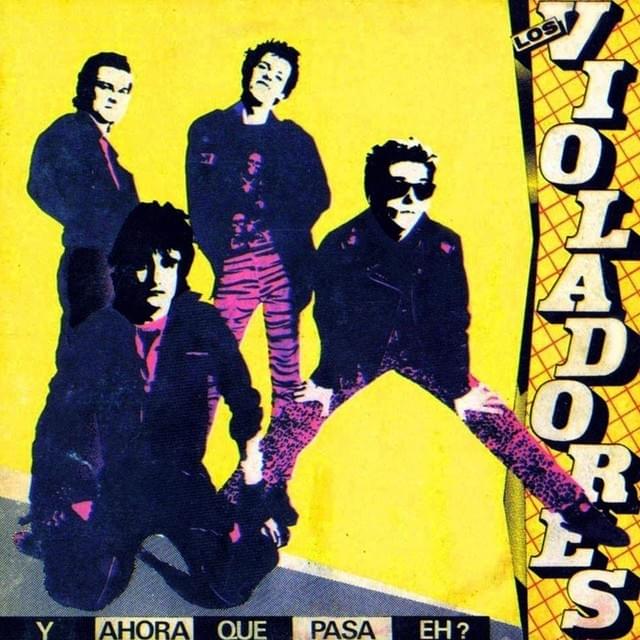
 View Artist