Song Meaning
The lyrics paint a portrait of Rafa Peña, a figure known for his jovial nature and a life lived without apparent constraints. He's described as someone who could stay up all night, yet remarkably maintained his faculties, earning him the moniker "el compa Rafa Peña." His origins are noted as both Nayarit and Guadalajara, hinting at a blended identity. The narrator emphasizes his widespread appreciation, suggesting he was a genuine friend to many, even attracting performances from mariachi and banda groups wherever he went. His defining characteristic seems to be an infectious joy that transcended boundaries.
The narrative then shifts to the more ambiguous aspects of Rafa Peña's life, detailing his involvement in crossing "merca" (merchandise, often implying illicit goods) and acting as a "pollero" (a smuggler of people). These activities, while potentially dangerous, are framed by his perceived lack of limitations and significant financial success. Crucially, the lyrics state he didn't hoard his wealth but instead "ayudaba mucho al pueblo" (greatly helped the people), creating a complex image of a man operating outside the law yet contributing to his community.
A fascinating detail emerges regarding his "grado era jefe" (his rank was boss), yet he maintained a calm demeanor. This tranquility, however, was not absolute; the lyrics warn that "cuando le buscaban" (when they looked for him, or provoked him), his "tapatío" (Guadalajara) side would emerge, mixing with "locura" (madness). This suggests a duality: a peaceful leader who could become formidable and dangerous when challenged.
This duality is further illustrated by a peculiar act of generosity: Rafa Peña purchased "kilos de oro" (kilos of gold) and had the entire alphabet, "26 letras cabales" (26 complete letters), made from it. He then gifted these letters to his associates and even "unos cuantos judiciales" (a few judicial officers). This act, while seemingly extravagant, could be interpreted as a display of power, a way to secure loyalty, or perhaps a symbolic gesture of control and influence over both his own circle and the authorities.
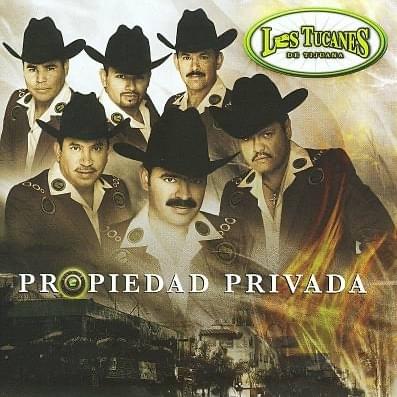
 View Artist