Song Meaning
This track paints a picture of someone enjoying a simple, unburdened life, centered around casual drinking and good company. The narrator directly addresses a request for another beer, immediately setting a scene of relaxed indulgence. They preemptively deny being an alcoholic or a saint, positioning themselves as someone who simply enjoys a drink "nomas ay de ves en cuando" – just now and then. This establishes a tone of self-awareness and a desire to be seen as moderate, not excessive.
The core tension lies between embracing life's pleasures and avoiding its troubles. The lyrics suggest a philosophy of seizing the moment, urging listeners to "abran los ojos" and "gozar sus encantos" because "todo esta esho pa nosotros." This is directly contrasted with the idea of "penas" (sorrows) and problems, which the narrator actively dismisses. The repeated phrase "Las noches se me asen cortas / Cuando ando empinando el codo" highlights how this activity enhances their enjoyment of life, making time fly by pleasurably.
The most striking aspect is the narrator's unapologetic embrace of freedom and present enjoyment, heavily influenced by their upbringing. The line "Si me buscan les atoro / Haci me enseño mi padre" hints at a learned resilience and a readiness to defend themselves, but this toughness is framed within a desire to avoid conflict and focus on living "bonita." The emphasis on "gente libre" (free people) and the comparison to the air underscores a deep-seated value placed on independence and a rejection of unnecessary worries or fears, including the inevitability of death.
Ultimately, the effectiveness of these lyrics stems from their directness and the vivid, if simple, picture they create of contentment. The focus on tangible pleasures – "Cerveza vino y cotorro" (beer, wine, and conversation), "Amigos norteño y banda" (friends, norteño, and banda music) – grounds the abstract idea of happiness in concrete experiences. The repeated declaration "Asi soy feliz ni modo" (That's how I'm happy, no way around it) conveys a powerful sense of acceptance and self-possession, making the narrator's chosen path feel authentic and resolute.
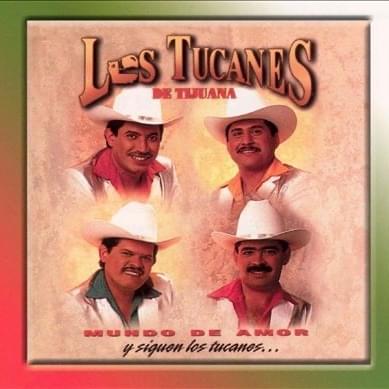
 View Artist