Song Meaning
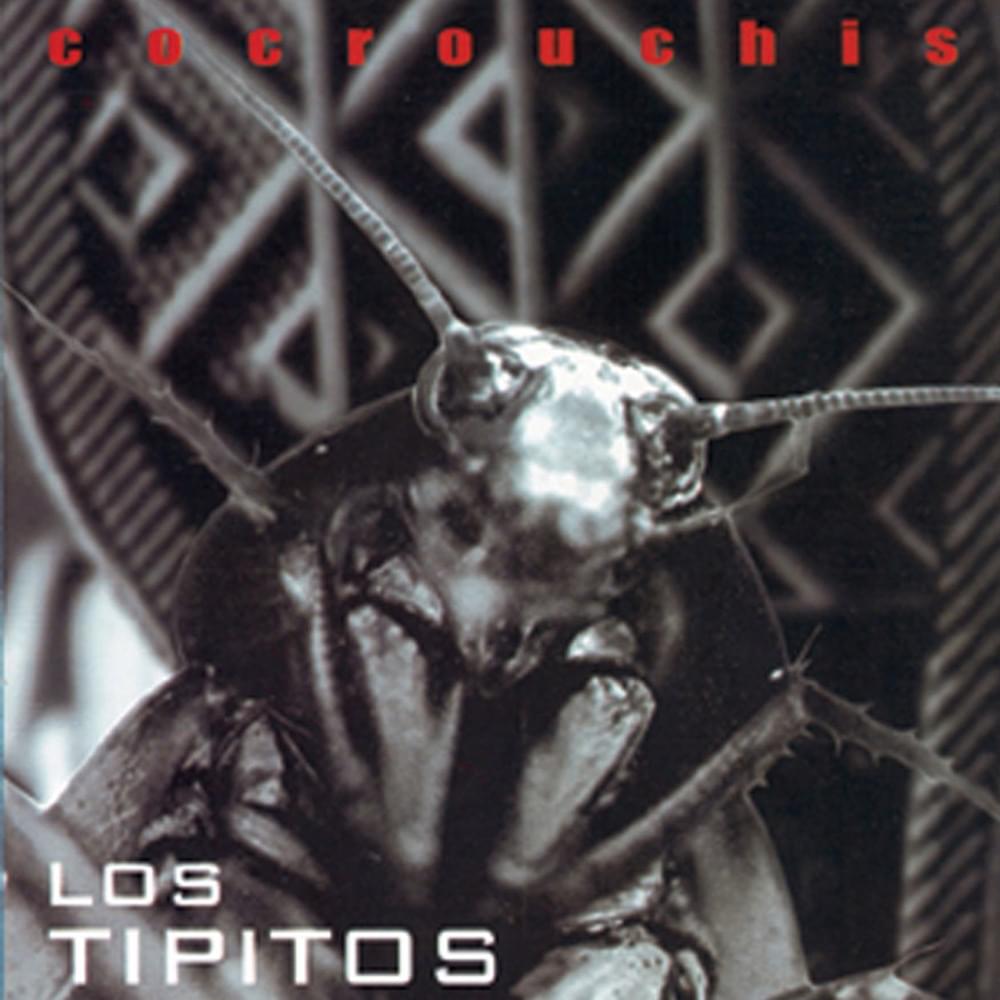
The lyrics immediately plunge into a world overrun by "Cocrouchis," or cockroaches. These pests appear everywhere, from the intimate "bidet" and "underwear" to the public "World Cup." It's a relentless, almost suffocating inventory of their pervasive presence. The tone is one of weary observation, hinting at something deeper than mere infestation.
This omnipresence isn't just about bugs; it suggests a deeper, inescapable flaw or annoyance woven into the fabric of daily life and even significant human experiences like "maldito amor." The sheer scale, described as an "infinito rebaño de hijas de Dios," creates a stark, ironic contrast. This elevates the lowly pest to a symbol of something persistent, perhaps even divinely ordained, yet utterly unwelcome. The speaker seems overwhelmed, yet also strangely resigned to this constant companion.
The lyrics masterfully use juxtaposition and dark humor to amplify this tension. Calling an infestation a "fiesta de arroz" on the stereo is a grotesque, vivid image that reframes disgust as a kind of perverse celebration. This playful yet unsettling language highlights the speaker's complex relationship with the "Cocrouchis," moving beyond simple revulsion to a more philosophical contemplation of their existence. The idea of "guardemos pues una mutación" further suggests a grim acceptance of their evolutionary staying power.
What makes these lyrics so effective is how they pivot from the mundane to the existential. The speaker's contemplation of power, appearing to be able to "matar y ser juez," quickly gives way to the profound question, "Y cuánto vale una vida?" This shift transforms the cockroaches from mere pests into a catalyst for questioning morality and the value of all life. The closing lines, where the speaker imagines the "Cocrouchis" as being "como yo" and offers them a "disco sin dios que tiene un fin," deliver a bleak, shared sense of mortality and a godless, finite existence, making the infestation a mirror to the speaker's own condition.
 View Artist