Song Meaning
The lyrics paint a vivid picture of a passionate, almost overwhelming love ignited by a single, memorable kiss. The narrator recalls the initial encounter with intense emotion, describing the heat of their partner's mouth as the spark that set a grand passion ablaze. This isn't a gentle affection; it's a consuming fire, a 'loca pasion' that burns intensely. The imagery of fire and heat is central from the start, establishing the powerful, almost uncontrollable nature of this feeling.
The core tension lies in the paradoxical nature of this love, framed as a potent 'veneno de amor' – a love poison. While it causes a feverish intensity, burning the narrator's eyes and making them unable to see clearly, it's also described as 'veneno del bueno,' the good kind. This suggests a willing surrender to this intoxicating, perhaps even destructive, force. The desire for more, for 'un beso mas,' underscores the addictive quality of this passionate connection.
The most striking craft element is the consistent use of fiery, feverish imagery to describe love's effects. The 'calor de tu boca' becomes 'fuego' that ignites passion, which in turn becomes a 'loca pasion que me quema.' This escalates to 'mis ojos se queman,' directly linking the internal passion to physical, almost painful sensations. The idea that only another tender kiss could serve as a 'calmante' highlights the cyclical and overwhelming nature of this 'love poison,' where the cure is also the cause.
This writing is effective because it grounds an abstract emotion in visceral, physical reactions. The narrator isn't just feeling love; they are experiencing it as a burning, a fever, a potent poison that incapacitates yet is desperately craved. The repetition of the chorus reinforces this feeling of being trapped in a loop of intense desire, making the narrator's plea for 'un beso mas' feel both desperate and inevitable.
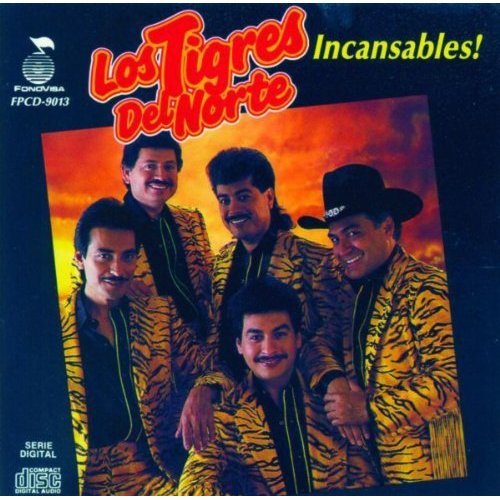
 View Artist