Song Meaning
This song paints a picture of someone consumed by the memory of a past love, an "unforgettable ingrate." The narrator's sorrow deepens with each passing day, fueling a desperate plea for reconciliation. The repeated refrain, "But today no, tomorrow yes, I'll wait for you in the garden," creates a poignant tension between present rejection and future hope. It's a fragile optimism, a persistent belief that time will mend the rift.
The core conflict lies in the narrator's inability to move on, clinging to memories and letters that offer little solace but much to ponder. This lingering attachment is directly contrasted with the desire for a "new date" to return, suggesting a yearning for a fresh start built on the ruins of the past. The lyrics imply a deep emotional wound that the narrator believes can only be healed by the return of the person who caused it.
The most striking element is the juxtaposition of a casual "date" with the ultimate goal of marriage, "to take you to the altar." This escalation from a simple garden meeting to a lifelong commitment highlights the intensity of the narrator's feelings and their vision for the future. The phrase "a sign of affection, I've always known how to give" coupled with "if you know what I'm worth, you'll show it to me" reveals a transactional undertone to this plea, a demand for validation alongside the romantic overture.
Ultimately, the effectiveness of these lyrics stems from their raw portrayal of persistent longing and the delicate dance between despair and hope. The simple, almost childlike repetition of the promise to wait, contrasted with the profound desire for a formal commitment, captures the universal ache of unrequited or lost love. It's this blend of vulnerability and unwavering expectation that makes the narrator's plea so resonant.
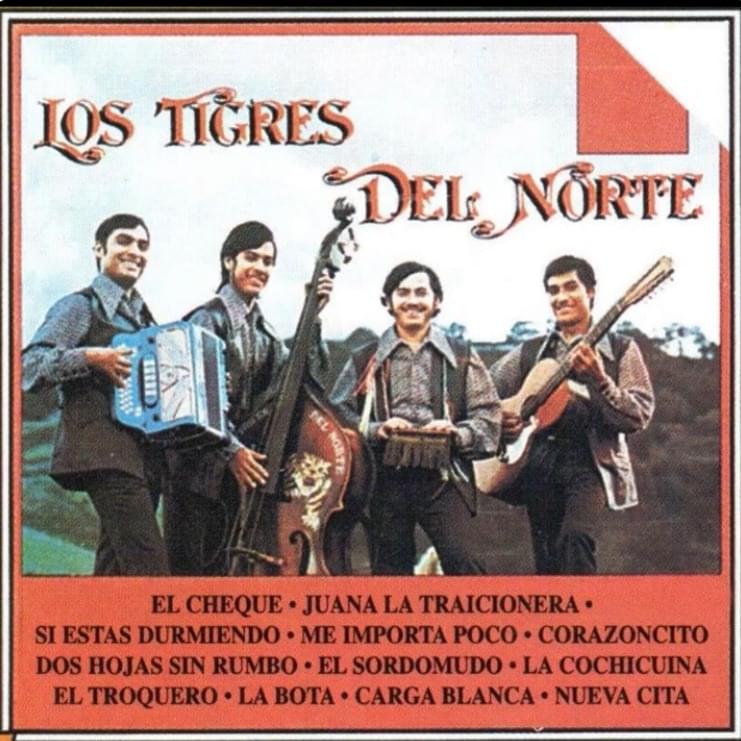
 View Artist