Song Meaning
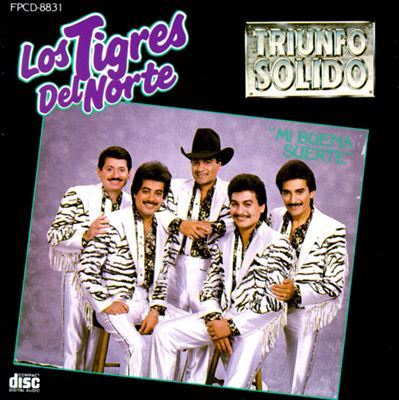
This song paints a vivid picture of profound gratitude, centering on a singular person who has fundamentally altered the narrator's life. The opening lines immediately establish this shift, declaring, "Eres mi buena suerte" (You are my good luck). This isn't just a casual compliment; it's presented as the direct cause of a complete transformation, suggesting a before-and-after narrative where the present is overwhelmingly positive due to this individual's presence. The narrator frames this person as cherished and central, the "dueña de mi vida" (owner of my life), highlighting the depth of their impact and the happiness they've brought.
The core emotional tension lies in the stark contrast between the narrator's past and present. Before this person arrived, life was "desdichada" (unfortunate), characterized by continuous suffering. This past is not just a memory but a defining state that the new relationship has erased. The lyrics emphasize this by repeating the phrase "Era sufrir y sufrir" (It was suffering and suffering), underscoring the bleakness of that former existence and amplifying the significance of the current joy.
The writing employs powerful devotional imagery to convey the narrator's reverence. The beloved is compared to a "amuleto prendido al pecho" (amulet worn on the chest), a "medallita" (small medal), and a "escapulario" (scapular), all objects of protection and deep personal significance. This isn't just about luck; it's about a protective, almost sacred bond. The comparison to a guiding star for a sailor, "estrella del sur" (southern star), further solidifies the idea of this person as an essential, life-affirming force, providing direction and hope.
Ultimately, the lyrics resonate because they articulate a powerful, almost spiritual, sense of rescue and fulfillment. The repeated declarations of the beloved as "mi buena suerte" and various protective talismans create a compelling portrait of someone who is not just loved, but seen as a vital source of stability and happiness. The craft here lies in its directness and the consistent use of protective and guiding metaphors, making the narrator's overwhelming sense of good fortune palpable and deeply felt.
 View Artist