Song Meaning
The lyrics paint a picture of a relationship that has become a public spectacle, a source of constant gossip and criticism. The narrator feels trapped in a situation where their private life is now front-page news, with tabloids dissecting their love and labeling it a lie. This external pressure has created an untenable reality, forcing a confrontation with the artificiality of their public persona. The initial lines establish a sense of exasperation with the ongoing scrutiny, highlighting the futility of trying to hide the truth from a world that seems determined to expose it.
The central tension arises from the narrator's frustration with their partner's apparent desire to maintain the facade, even as the relationship crumbles under public pressure. The narrator feels they've both co-written this story, yet the partner seems to be forgetting their shared narrative. This leads to a pivotal shift where the narrator declares they will now take control, becoming the "producer" of their shared drama. This assertion of agency is framed by the stark ultimatum: "Lo tomas o lo tiras" – take it or leave it.
The most striking craft element is the extended metaphor of the relationship as a theatrical production, a "teatro" and "novela." The lyrics repeatedly reference stages, scripts, roles, and producers, emphasizing the performative aspect of their public life. The narrator contrasts the "comedia" of their past with the current "fracaso," questioning the point of continuing to play the part of lovers when the reality is so bleak. This theatrical framing underscores the artificiality and the ultimate unsustainability of their situation.
Ultimately, the effectiveness of these lyrics lies in their raw depiction of a relationship under siege, both internally and externally. The narrator's shift from feeling exposed to taking decisive action, coupled with the dramatic ultimatum, creates a powerful sense of urgency. The fear of seeing their "final" splashed across the news serves as a potent motivator, driving home the high stakes of the partner's decision and the narrator's demand for authenticity, or at least a definitive end to the charade.
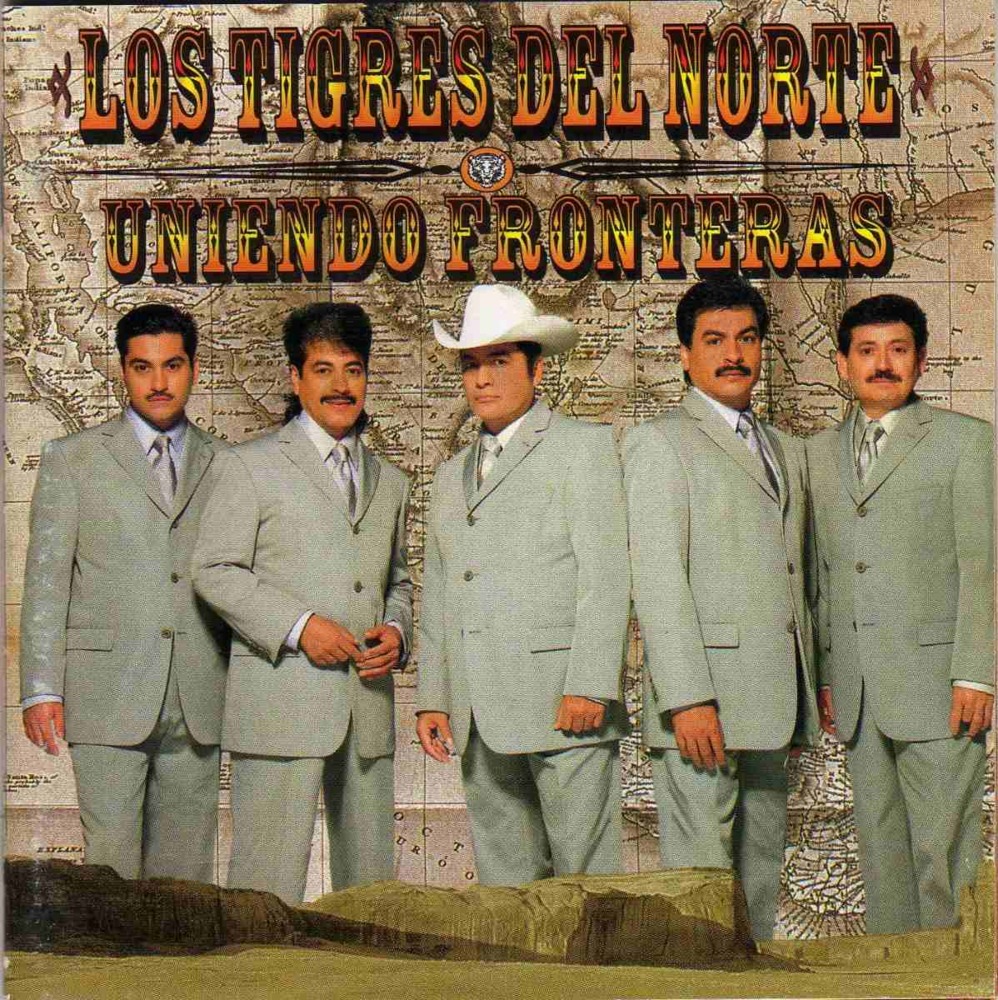
 View Artist