Song Meaning
The lyrics paint a stark picture of the immigrant experience, beginning with an immediate failed attempt to cross the border: "No pude cruzar la raya." The dominant tone is one of hardship and indignity, highlighting the perilous journey and the subsequent mistreatment upon apprehension. The narrator contrasts the allure of "dólares" with a deep-seated Mexican identity, suggesting a fundamental disconnect between economic pursuit and personal belonging.
The central tension arises from the narrator's undocumented status, referred to as "espalda mojada," which forces them into a life of subservience and hidden existence, like living "en un sótano." The phrase "inclinar la frente / Para cobrar la semana" powerfully conveys the humiliation endured just to earn a meager living. This struggle is framed against the backdrop of a border that, despite its physical presence, is presented as a site of profound loss and death.
The most striking lyrical device is the comparison between "la rosa de Mexicali" and "la sangre del río Bravo." While seemingly different, they are "hermanos" in color, suggesting a shared essence or origin. The "línea divisoria" then becomes "la tumba del mojado," a chilling metaphor that transforms the border from a mere line into a grave, signifying that the act of crossing, or attempting to, leads to death and erasure. This imagery underscores the deadly consequences of the border's existence.
This song's effectiveness lies in its direct, unadorned language and potent metaphors. The contrast between the abstract "línea divisoria" and the visceral "tumba del mojado" creates a powerful emotional impact. The lyrics don't just describe hardship; they imbue the physical landscape of the border with the weight of lost lives and broken dreams, making the abstract political reality painfully concrete.
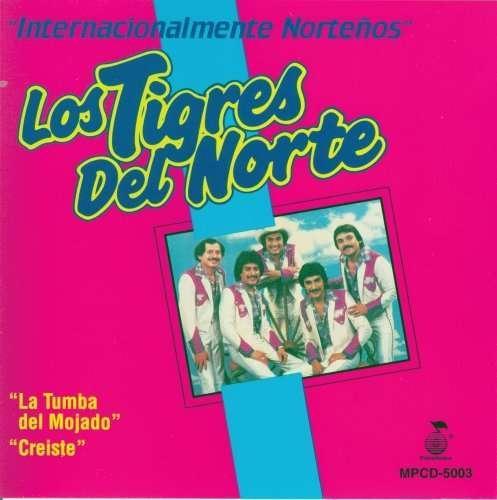
 View Artist